相關主題


商品描述
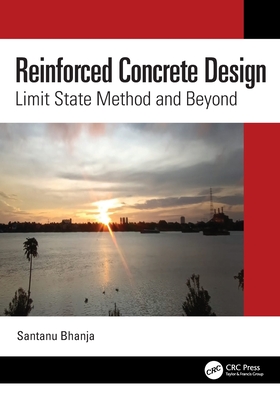
Reinforced Concrete Design (RC) is performed mostly by the limit state method throughout the world. This book covers the fundamental concepts and principles of RC design developing the topics from the basic theories and assumptions. Building upon the possible revisions to the mother code of concrete in India, IS:456-2000, it explains the RC design provisions of IRC:112-2020, which are in line with international standards. In addition to strength design, serviceability and ductility design are also covered.
Features:
- Highlights the basic philosophy of RC design and behaviour of the sections up to and beyond limit state.
- Clarifies limit state theory from the basic assumptions provided in relevant Indian and international standards, IS:456, IRC:112 and Eurocode:2.
- Includes design aids or tools for standard and high strength concrete up to M90 grade as per different codes of practice.
- Explains the concept of ductility of reinforced concrete sections subjected to flexure with or without axial loads from fundamental principles.
- Covers fundamentals on serviceability requirements in reinforced concrete structures.
- Illustrates the design methodology of shear walls and includes design aids developed using basic principles as per relevant codes of practice.
- Explains reinforced concrete design provisions as per latest national and international standards and these are expected to be in line with those to be included in the forthcoming revision of IS:456.
This book is aimed at graduate students, researchers and professionals in civil engineering, construction engineering and concrete.
商品描述(中文翻譯)
加強混凝土設計(RC)在全球大多數地區是通過極限狀態法進行的。本書涵蓋了RC設計的基本概念和原則,從基本理論和假設發展主題。基於印度混凝土母法規IS:456-2000的可能修訂,本書解釋了符合國際標準的IRC:112-2020的RC設計條款。除了強度設計外,還涵蓋了服務性和延展性設計。
特點:
- 突出RC設計的基本理念及其截面在極限狀態及其以上的行為。
- 根據相關的印度和國際標準IS:456、IRC:112和Eurocode:2,澄清極限狀態理論的基本假設。
- 包含根據不同實務規範為標準和高強度混凝土(最高可達M90級)提供的設計輔助工具或工具。
- 從基本原則解釋受彎曲作用的加強混凝土截面的延展性概念,無論是否有軸向載荷。
- 涵蓋加強混凝土結構的服務性要求的基本知識。
- 說明剪力牆的設計方法,並包括根據相關實務規範所開發的基於基本原則的設計輔助工具。
- 根據最新的國家和國際標準解釋加強混凝土設計條款,這些條款預期將與即將修訂的IS:456中的內容一致。
本書旨在為土木工程、建築工程和混凝土領域的研究生、研究人員和專業人士提供參考。
作者簡介
Santanu Bhanja is currently Professor and former Head-of-the-Department of Civil Engineering, National Institute of Technical Teachers' Training and Research, Kolkata under Ministry of Education, Govt of India. He had his civil engineering education from Jadavpur University, Kolkata and IIT, Kharagpur, West Bengal. He has served Bengal Engineering College (DU), Shibpur, as a Lecturer and then as an Assistant Professor at the Bengal Engineering and Science University, Shibpur (presently IIEST, Shibpur) for about a decade before taking up the present assignment. Prof Bhanja has also worked in the industry for about seven years mostly as a Design Engineer. Besides teaching, he has provided technical consultancy as a Proof-Consultant for the private and govt sectors regarding the design of several prestigious projects. He has authored several research papers which have been published in Journals of international repute and presented numerous papers in National and International Conferences and Seminars. Prof Bhanja has more than Three decades of experience with concrete as a researcher, teacher for students at the under-graduate, post-graduate level and beyond and as a trainer of the technical faculty members of degree and Diploma level Engineering Institutions. He has organized several Workshops, Seminars, Webinars and Training programs in the field of concrete.
作者簡介(中文翻譯)
Santanu Bhanja 目前是印度教育部下的加爾各答國立技術教師培訓與研究所土木工程系的教授及前系主任。他在加爾各答的賈達夫普大學(Jadavpur University)和西孟加拉的印度理工學院(IIT, Kharagpur)接受土木工程教育。在擔任目前職位之前,他在西孟加拉的西布爾(Shibpur)孟加拉工程學院(Bengal Engineering College, DU)擔任講師,然後在孟加拉工程與科學大學(Bengal Engineering and Science University, Shibpur,現為IIEST, Shibpur)擔任助理教授,工作了約十年。Bhanja教授在業界也有約七年的工作經驗,主要擔任設計工程師。除了教學外,他還為私營和政府部門提供技術諮詢,擔任多個知名項目的驗證顧問。他撰寫了多篇研究論文,並在國際知名期刊上發表,還在國內外的會議和研討會上發表了多篇論文。Bhanja教授在混凝土領域擁有超過三十年的研究、教學(包括本科生和研究生)及技術教師培訓的經驗。他組織了多個有關混凝土的工作坊、研討會、網路研討會和培訓計畫。