相關主題

商品描述
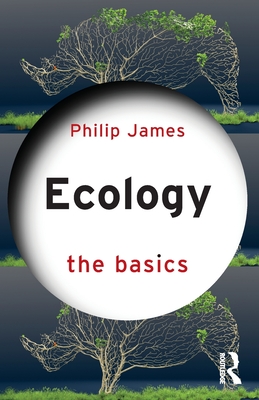
The text sets out the fundamentals that underpin ecology - the study of the relations between organisms of the same of different species and between organisms and the abiotic (non-living) environment. In other words, it is the study of where we live.
The structure of the book adopts the classical style followed by most educators teaching this subject. It is divided into seven chapters which could be the basis of a semester's learning. Non-specialist, jargon-free language is used throughout with technical words and phrases explained in the text and in a glossary. Each chapter begins with an overview of the key themes covered and ends with suggestions for further, self-directed study. Chapter 1 is an introduction to the subject and contains outlines of how the subject has developed, its relevance today, and the skills required by an ecologist. Chapters 2 - 7 address, in turn, the abiotic (non-living) environment, adaptations of organisms to their abiotic environment, population ecology, community ecology, ecosystem ecology, and landscape ecology. Cross-cutting themes such as behavioural ecology, aquatic ecology, and terrestrial ecology are woven throughout these chapters. Relevant case studies, based on twenty-first century global challenges (changing climate, urbanisation, the biodiversity crisis, and the spread of invasive non-native species) and ecological ways of tackling these issues (nature-based solutions and species and habitat conservation (including rewilding)), are presented in relevant chapters.
In Ecology: The Basics the author synthesises ecological understanding to provide a foundation for first- and second-year undergraduates who are approaching ecology for the first time or are looking to refresh their knowledge. Ecology: The Basics also serves as a foundation for those coming to ecology as part of their higher-level studies, or who wish to be more informed about ecology as part of their life-long learning journey.The text sets out the fundamentals that underpin ecology - the study of the relations between organisms of the same of different species and between organisms and the abiotic (non-living) environment. In other words, it is the study of where we live.
商品描述(中文翻譯)
本書闡述生態學的基礎,即研究相同或不同物種的生物之間,以及生物與非生物環境之間的關係。換句話說,生態學研究的是我們所居住的地方。
本書的架構採用多數教授此一學科的教育工作者所遵循的經典形式,全書分為七章,可作為一學期課程的學習基礎。全書使用非專業且避免艱深術語的語言,技術名詞與片語均在正文及詞彙表中加以說明。每章開頭概述該章涵蓋的主要主題,結尾則提出進一步自主學習的建議。第 1 章為本學科的導論,說明生態學的發展歷程、當今的重要性,以及生態學家所需具備的技能。第 2 章至第 7 章依序探討非生物環境、生物對其非生物環境的適應、族群生態學、群落生態學、生態系生態學,以及景觀生態學。行為生態學、水域生態學與陸域生態學等貫穿各章的主題,也融入其中。相關章節並提供適切的案例研究,內容以二十一世紀的全球性挑戰為基礎,包括氣候變遷、都市化、生物多樣性危機,以及外來入侵種的擴散;同時介紹以生態學方式處理這些問題的方法,例如以自然為本的解決方案,以及物種與棲地保育(包括重新野化)。
在《Ecology: The Basics》中,作者綜合生態學知識,為第一次接觸生態學或希望複習相關知識的大學一年級與二年級學生提供基礎。本書也適合將生態學納入高階學習的一環,或希望在終身學習過程中增進生態學素養的讀者。
本書闡述生態學的基礎,即研究相同或不同物種的生物之間,以及生物與非生物環境之間的關係。換句話說,生態學研究的是我們所居住的地方。
作者簡介
Philip James is Emeritus Professor of Ecology at the University of
Salford, UK, and an Honorary Senior Research Fellow in Geography
in the School of Education, Environment and Development,
University of Manchester, UK. Prior to retiring, he taught ecology
and related subjects for nearly 30 years. His research interests
are in urban ecology, wildlife conservation, habitat management,
and health and well-being
linked to the natural environment. Since
retiring he volunteers at two local country parks, is a trustee of the
Lancashire Wildlife Trust, and plays the violin and sings with community
orchestras and choirs.
作者簡介(中文翻譯)
Philip James 是英國 Salford University 的生態學榮譽退休教授,也是英國 Manchester University 教育、環境與發展學院地理學領域的名譽資深研究員。在退休之前,他教授生態學及相關科目將近 30 年。他的研究興趣包括都市生態學、野生動物保育、棲地管理,以及與自然環境相關的健康與福祉。
退休後,他在當地兩座鄉郊公園擔任志工,是 Lancashire Wildlife Trust 的受託人,並與社區管弦樂團及合唱團一起演奏小提琴和歌唱。