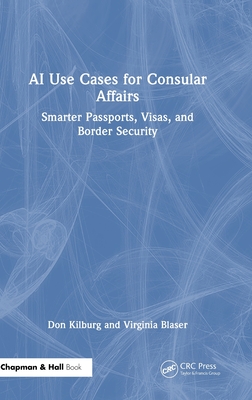
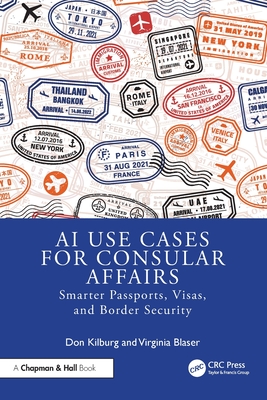
AI Use Cases for Consular Affairs: Smarter Passports, Visas, and Border Security
暫譯: 外交事務中的 AI 應用案例:更智慧的護照、簽證與邊境安全
Kilburg, Don, Blaser, Virginia
相關主題


商品描述
AI Use Cases for Consular Affairs explores applications for artificial intelligence (AI) across issues such as visas, passports, border security, disaster evacuation, and identity verification. It shows how AI can improve fairness, expand access, and return precious time to public servants, while confronting the risks and ethical dilemmas head-on.
Drawing on more than sixty years of combined diplomatic experience--including the adjudication of tens of thousands of visas and leadership through crises, evacuations, and fraud investigations--retired U.S. Foreign Service Officers Dr. Don Kilburg and Virginia Blaser reveal how AI is reshaping global mobility--from biometric identity verification and fraud detection to crisis alerts, multilingual access, and workflow optimization. Every year, millions of people apply for visas, renew passports, flee disasters, or struggle to prove their identity across national lines. Behind each of these moments lies a hidden world of high-stakes consular decisions--made under immense pressure, with limited time and imperfect information. AI has the power to transform that world.
This book is essential reading for public servants, policymakers, diplomats, state officials, and anyone working in consular affairs. But its lessons reach much further, to any institution now turning to AI. Used well, AI scales not by replacing human judgment but by protecting it. In the end, what earns AI a place in the systems we rely on is not raw power. It is fairness, accountability, and trust. AI deployment in consular affairs offers that guide on a global scale.
商品描述(中文翻譯)
《外交事務中的人工智慧應用案例》探討了人工智慧(AI)在簽證、護照、邊境安全、災難撤離和身份驗證等問題上的應用。它展示了AI如何改善公平性、擴大可及性,並為公務人員節省寶貴的時間,同時正面面對風險和倫理困境。
本書基於超過六十年的外交經驗——包括數萬個簽證的裁定以及在危機、撤離和詐騙調查中的領導——退休的美國外交官唐·基爾堡博士(Dr. Don Kilburg)和維吉尼亞·布萊瑟(Virginia Blaser)揭示了AI如何重塑全球流動性——從生物識別身份驗證和詐騙檢測到危機警報、多語言訪問和工作流程優化。每年,數百萬人申請簽證、續辦護照、逃離災難或在國界之間努力證明自己的身份。在這些時刻背後,隱藏著一個高風險的領事決策世界——這些決策是在巨大的壓力下、有限的時間和不完美的信息中做出的。AI有能力改變這個世界。
本書是公務人員、政策制定者、外交官、國家官員以及任何從事領事事務的人必讀的書籍。但它的教訓更遠,適用於任何現在轉向AI的機構。若使用得當,AI的擴展不是通過取代人類判斷,而是通過保護人類判斷。最終,讓AI在我們依賴的系統中佔有一席之地的不是原始的力量,而是公平性、問責性和信任。AI在領事事務中的應用提供了這種全球範圍的指導。
作者簡介
Don Kilburg is a global strategist, former U.S. diplomat, and psychologist. As Founder and CEO of Mind Leap Institute, LLC, he helps individuals, leaders, and organizations build the human capabilities needed to flourish in the age of AI. He holds a Ph.D. in experimental psychology (social cognition) from DePaul University and was a Japanese Government Monbusho Research Fellow. For over 30 years, he has applied behavioral science and emerging technology to complex challenges in international governance and public engagement.
Dr. Kilburg served in the U.S. Foreign Service from 2003 to 2025, most recently as Public Affairs Officer in the Bureau of Global Public Affairs at the U.S. Department of State. His diplomatic career included assignments in Latin America, Asia, Europe, and the former Soviet Union, plus headquarters service in Washington, DC, and work in four languages. Assignments included Spokesperson for the Bureau of Energy Resources and Press Attaché at the U.S. Embassy in Beijing. He contributed intelligence reports to the President's Daily Brief, briefed secretaries of state and ambassadors, and in 2024 pioneered the "ChatGPT Diplomacy" project, helping thousands of U.S. diplomats adopt AI. His innovations earned him multiple Superior and Meritorious Honor Awards.
Before entering the U.S. Foreign Service, Dr. Kilburg served as a U.S. Army infantry soldier and taught psychology at Eastern Washington University. He is the author of AI Use Cases for Diplomats (Routledge, 2025), with further books from Routledge, including AI Use Cases for Public Diplomacy and Mind Leap: How to Think, Feel, and Flourish in the Age of AI.
Today, Dr. Kilburg leads Mind Leap Institute full- time, delivering keynotes, workshops, and advisory engagements for organizations that want to build real human capacity, not simply deploy AI tools. He has carried his central thesis-- that the decisive factor in AI adoption is not the technology but the human judgment behind it-- into new territory, founding the interdisciplinary field of Cognitive Civic Studies in 2026. His aim holds constant: to help people and institutions meet the age of AI with their judgment, values, and humanity intact.
Virginia Blaser is a retired senior U.S. Foreign Service Officer, AI executive and practitioner, and author whose 34- year diplomatic career combined extensive consular leadership with hands- on implementation of emerging technologies. A member of the Senior Foreign Service, she served five full years as Chargé d'Affaires across five countries-- including a two- year assignment in Tanzania-- and held leadership positions in some of the most complex consular environments in the U.S. diplomatic network.
Blaser oversaw the U.S. government's largest overseas passport operation in London, adjudicated tens of thousands of visa and passport cases, led crisis responses for American citizens abroad, and negotiated with foreign governments on visa reciprocity, fraud prevention, law enforcement cooperation, and deportation policy. She received the Presidential Rank Award and numerous Superior and Meritorious Honor Awards from the U.S. Department of State.
Throughout her career, Blaser worked closely with consular teams to evaluate and implement new technologies as they entered operational service-- including the first generation of biometric fingerprint readers-- and as the senior officer leading the consular section in El Salvador, helped assess and deploy modernization initiatives during a period of significant change in consular technology. That combination of senior operational leadership and direct technology implementation over decades forms the foundation of her perspective in this book.
After leaving government, Blaser served as chief executive of an open- source intelligence company and founded and led a tech- enabled business operations company. She delivered AI training and presentations for the United Nations and private and multilateral diplomatic education institutions, spoke at AI and technology forums including the Women in Tech Global Summit, published multiple articles on AI and diplomacy in the Foreign Service Journal, and co- authored scholarly work on AI and transnationalism. She is co- inventor of a patent- pending AI- enabled technology platform.
Blaser now works as an independent consultant, advising international organizations, private companies, and nonprofits on governance, leadership, diplomacy, and the responsible use of emerging technologies. She serves on multiple boards and lectures internationally on diplomacy, leadership, and artificial intelligence.
作者簡介(中文翻譯)
唐·基爾堡(Don Kilburg)是一位全球策略家、前美國外交官及心理學家。作為Mind Leap Institute, LLC的創辦人兼執行長,他幫助個人、領導者和組織建立在人工智慧時代中茁壯成長所需的人類能力。他擁有德保羅大學的實驗心理學(社會認知)博士學位,並曾擔任日本政府文部科學省的研究員。超過30年來,他將行為科學和新興技術應用於國際治理和公共參與的複雜挑戰中。
基爾堡博士於2003年至2025年在美國外交服務任職,最近擔任美國國務院全球公共事務局的公共事務官。他的外交生涯包括在拉丁美洲、亞洲、歐洲和前蘇聯的任務,以及在華盛頓特區的總部服務,並使用四種語言工作。任務包括能源資源局發言人和美國駐北京大使館的新聞專員。他為總統每日簡報提供情報報告,向國務卿和大使進行簡報,並在2024年開創了“ChatGPT外交”項目,幫助數千名美國外交官採用人工智慧。他的創新為他贏得了多項優秀和卓越榮譽獎。
在進入美國外交服務之前,基爾堡博士曾擔任美國陸軍步兵士兵,並在東華盛頓大學教授心理學。他是《外交官的人工智慧應用案例》(AI Use Cases for Diplomats,Routledge,2025)的作者,並將出版更多來自Routledge的書籍,包括《公共外交的人工智慧應用案例》(AI Use Cases for Public Diplomacy)和《心智躍進:在人工智慧時代如何思考、感受和茁壯成長》(Mind Leap: How to Think, Feel, and Flourish in the Age of AI)。
如今,基爾堡博士全職領導Mind Leap Institute,為希望建立真正人類能力而不僅僅是部署人工智慧工具的組織提供主題演講、工作坊和顧問服務。他將其核心論點——人工智慧採用的決定性因素不是技術,而是背後的人類判斷——帶入新領域,於2026年創立了跨學科的認知公民研究領域。他的目標始終如一:幫助人們和機構在人工智慧時代保持其判斷、價值觀和人性。
維吉尼亞·布萊瑟(Virginia Blaser)是一位退休的美國外交服務高級官員、人工智慧高管及實踐者,並且是作者,其34年的外交生涯結合了廣泛的領事領導經驗與新興技術的實際應用。作為高級外交官的成員,她在五個國家擔任了五年的代理大使,包括在坦尚尼亞的兩年任期,並在美國外交網絡中一些最複雜的領事環境中擔任領導職位。
布萊瑟負責美國政府在倫敦最大的海外護照業務,審核了數萬個簽證和護照案件,領導美國公民在海外的危機應對,並與外國政府就簽證互惠、詐騙防範、執法合作和驅逐政策進行談判。她獲得了總統等級獎和美國國務院的多項優秀和卓越榮譽獎。
在她的職業生涯中,布萊瑟與領事團隊密切合作,評估和實施新技術,當這些技術進入運營服務時——包括第一代生物識別指紋讀取器——並作為在薩爾瓦多領導領事部門的高級官員,幫助評估和部署現代化倡議,這一時期正值領事技術的重大變革。這種高級運營領導與數十年來的直接技術實施的結合,形成了她在本書中的觀點基礎。
離開政府後,布萊瑟擔任一家開源情報公司的首席執行官,並創立並領導一家技術驅動的商業運營公司。她為聯合國及私營和多邊外交教育機構提供人工智慧培訓和演講,參加包括全球女性科技峰會在內的人工智慧和技術論壇,並在《外交服務期刊》上發表多篇有關人工智慧和外交的文章,還共同撰寫了有關人工智慧和跨國主義的學術著作。她是正在申請專利的人工智慧技術平台的共同發明人。
布萊瑟現在作為獨立顧問,為國際組織、私營公司和非營利組織提供有關治理、領導力、外交和新興技術負責任使用的建議。她在多個董事會任職,並在國際上講授外交、領導力和人工智慧。