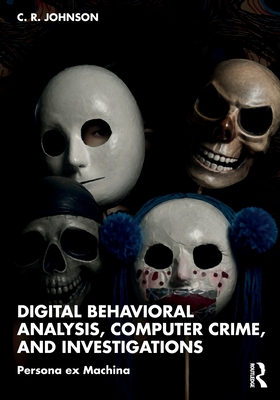
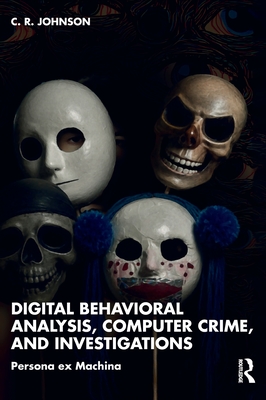
Digital Behavioral Analysis, Computer Crime, and Investigations: Persona Ex Machina
暫譯: 數位行為分析、電腦犯罪與調查:Persona Ex Machina
Johnson, C. R.
相關主題


商品描述
Digital Behavioral Analysis, Computer Crime, and Investigations integrates digital forensic methodology with behavioral profiling, criminological theory, and the legal and ethical frameworks that govern admissibility for instruction and practice in equal measure. Behind every digital crime is a human being, and the technical sophistication of modern computer crime has not eliminated the behavioral evidence that has always grounded criminal investigation--where that evidence lives and how investigators recognize it has simply changed.
From the Silk Road takedown to the Bangladesh Bank heist, from the Stagg investigation to the Hong Kong deepfake fraud, this book works through the cases that define the field and develops the frameworks that practitioners need to navigate the next generation of digital offenses. Each chapter opens with learning objectives and a key terms section that defines technical vocabulary in non-specialist terms, develops its analytic content through case illustrations drawn from documented investigations, and closes with practical takeaways and discussion questions calibrated for both classroom use and field application. C. R. Johnson establishes operational frameworks for evidence triage, hypothesis development, behavioral cluster analysis, case linkage analysis, and capability assessment, and treats each within the constraints of Federal Rule of Evidence 702 and the Daubert standard for expert testimony.
Written for advanced undergraduate and graduate students in criminal justice, criminology, digital forensics, and cybersecurity programs, as well as for practitioners working in digital investigation, behavioral analysis, and the prosecution or defense of computer crime cases, this book is usable as both a course text and an active investigative reference.
《Digital Behavioral Analysis, Computer Crime, and Investigations》將數位鑑識方法與行為側寫、犯罪學理論,以及規範證據可採性的法律與倫理架構加以整合,兼顧教學與實務應用。每一起數位犯罪的背後都有一個人,而現代電腦犯罪的技術複雜度雖然不斷提升,卻未消除長久以來一直是刑事調查基礎的行為證據——改變的只是這些證據存在於何處,以及調查人員如何辨識它們。
從 Silk Road 的查緝,到 Bangladesh Bank 的駭客盜竊案;從 Stagg 調查案,到 Hong Kong 的 deepfake 詐騙案,本書透過界定此領域的重要案例,逐步建立實務工作者應對新一代數位犯罪所需的分析架構。每一章都以學習目標和關鍵術語單元開頭,使用非專業人士也能理解的方式定義技術詞彙;接著透過取材自已公開記錄之調查工作的案例說明,發展相關分析內容;最後以實務重點與討論問題作結,內容同時適用於課堂教學與現場實務。C. R. Johnson 建立了證據分流、假設發展、行為群組分析、案件關聯分析及能力評估的作業架構,並在 Federal Rule of Evidence 702 與 Daubert expert testimony 標準的限制下,分別探討這些架構。
本書適合刑事司法、犯罪學、數位鑑識及 cybersecurity 課程中的高年級大學生與研究生,也適合從事數位調查、行為分析,以及電腦犯罪案件之控方或辯方工作的實務人員;既可作為課程教材,也可作為進行調查時使用的參考工具。
以上中文內容由 AI 翻譯作者簡介
C. R. Johnson, PhD, CISSP, CCE, is a professor and practitioner working at the intersection of digital forensics, cybersecurity, computer crime investigation, and behavioral analysis. He holds a doctorate in the discipline, the Certified Information Systems Security Professional and the Certified Computer Examiner credentials, and teaches on the cybersecurity program at the University of Wisconsin-Stevens Point. His research and consulting practice addresses digital evidence handling, behavioral attribution in cybercrime investigations, deepfake and synthetic media forensics, and the legal and ethical frameworks governing computer crime investigation.
C. R. Johnson 博士(PhD、CISSP、CCE)是一位教授兼實務工作者,專長橫跨數位鑑識、網路安全、電腦犯罪調查與行為分析。他擁有該領域的博士學位,以及 Certified Information Systems Security Professional(CISSP)和 Certified Computer Examiner(CCE)認證,並在 University of Wisconsin-Stevens Point 的網路安全學程授課。他的研究與顧問工作涵蓋數位證據處理、網路犯罪調查中的行為歸因、deepfake 與合成媒體鑑識,以及規範電腦犯罪調查的法律與倫理框架。
以上中文內容由 AI 翻譯