相關主題

商品描述
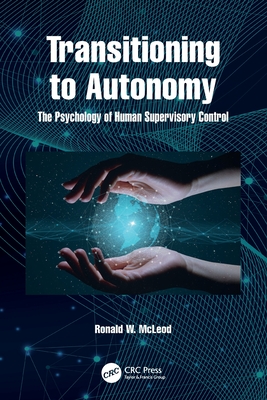
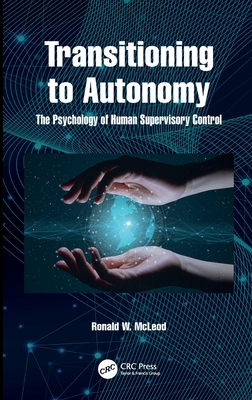
Whenever automation is introduced to control real-time activities or processes, the role of the human changes from being a manual controller to being a supervisory controller. Whether the activity is the control of vehicles industrial processes, or is in defence, healthcare, or elsewhere, the work performed by the people who are expected to monitor and supervise the automation places new demands on their attention, perception and cognition. Those demands can be significant and challenging and this book aims to address that.
Transitioning to Autonomy: The Psychology of Human Supervisory Control focuses on the transition period when automation is being introduced, and the human needs to learn and develop the competence to perform their new role effectively. The first Part extracts general lessons from the author's experience taking ownership of a new car which, under certain circumstances, was capable of driving autonomously. Part 2 explores the psychology behind the lessons extracted in Part 1 and proposes a comprehensive model of human supervisory control. The final Part focuses on six principal risks associated with human supervisory control and examines how the expectation that people will be proactive in monitoring for threats to the automation's performance is often relied on as a defence, or "Barrier", against serious adverse events. The core benefit for the reader is a deeper understanding of what it takes, cognitively, emotionally, and organisationally, to ensure safe and effective human oversight in the age of automation. It aims to give the reader the lowdown on delivering safer systems.
The book is for managers, engineers, safety professionals and those from other technical disciplines who have responsibility for the design, development and/or assurance of products that automate the control of real-time activities; it's for regulators and others responsible for setting policy and ensuring products automating real-time activities are safe; and it's for Human Factors and other professionals who need to understand and develop competence in aspects of the psychology associated with automated systems.
商品描述(中文翻譯)
每當自動化被引入以控制即時活動或過程時,人類的角色從手動控制者轉變為監督控制者。無論這項活動是控制車輛、工業過程,還是在國防、醫療保健或其他領域,預期監控和監督自動化的人員所需執行的工作對他們的注意力、感知和認知提出了新的要求。這些要求可能是顯著且具挑戰性的,本書旨在解決這些問題。
過渡到自主性:人類監督控制的心理學專注於自動化引入期間的過渡期,人類需要學習並發展能力,以有效地執行他們的新角色。第一部分提取了作者在擁有一輛在某些情況下能夠自主駕駛的新車的經驗中獲得的一般教訓。第二部分探討了第一部分中提取的教訓背後的心理學,並提出了一個全面的人類監督控制模型。最後一部分專注於與人類監督控制相關的六個主要風險,並檢視人們在監控自動化性能威脅時,主動性期望如何常常被視為防禦或「障礙」,以防止嚴重的不利事件。對讀者的核心好處是更深入地理解在自動化時代,確保安全和有效的人類監督所需的認知、情感和組織方面的要素。它旨在讓讀者了解如何提供更安全的系統。
本書適合管理者、工程師、安全專業人士以及其他技術領域的專業人士,他們負責設計、開發和/或保證自動化控制即時活動的產品;也適合負責制定政策並確保自動化即時活動產品安全的監管機構及其他相關人員;還適合人因工程及其他專業人士,他們需要理解並發展與自動化系統相關的心理學方面的能力。
作者簡介
Ron McLeod holds an Honours degree in Psychology, an MSc in Ergonomics and a Ph.D. in Engineering and Applied Science and has spent more than 40 years as a Human Factors specialist working primarily in safety critical and high hazard industries.
Ron has been influential helping industry learn, develop, and apply best practice in Human Factors in the management of major hazards. As well as his 2015 book, 'Designing for Human reliability: Human Factors Engineering in the Oil, Gas and Process Industries', Ron has published more than 30 papers in the technical and scientific press in his own name, as well as contributing to numerous industry guides and best practices produced by a variety of professional and industry bodies. He has taken an active, and often a leadership, role in organisations including the International Oil and Gas Producer's Association (IOGP), the Society of Petroleum Engineers (SPE), the UK's Process Safety Advisory Committee (PSAC), the Energy Institute (EI), the Chartered Institute of Ergonomics and Human Factors (CIEHF) and the Centre for Chemical Process Safety (CCPS).
Ron holds a position as Honorary Professor of Engineering Psychology at Heriot-Watt University, Edinburgh, and has been Visiting Professor of Human Factors at Loughborough University, School of Design. He is a Fellow, and has been a Trustee and Member of Council, of the UK's Chartered Institute of Ergonomics & Human Factors (CIEHF) and has served as a member of a peer review panel for the US National Academy of Sciences, Engineering, and Medicine. Ron was the project lead and principal author for three CIEHF White Papers, including the 2022 publication "Human Factors in Highly Automated Systems".
In 2020, Ron was awarded the CIEHF's Lifetime Achievement Award, and in 2022 he was made a Fellow of the International Ergonomics Association in recognition of his "..outstanding and sustained performance in the field of ergonomics and human factors at an international level...". He retired from full-time working in 2022, but remains active lecturing and writing, when he is not playing guitar, golf, bridge or cycling.
作者簡介(中文翻譯)
Ron McLeod 擁有心理學榮譽學位、人體工學碩士學位以及工程與應用科學博士學位,並在安全關鍵和高風險行業擔任人因學專家超過 40 年。
Ron 在幫助行業學習、發展和應用人因學最佳實踐以管理重大危害方面發揮了重要作用。除了他在 2015 年出版的書籍《設計以提高人類可靠性:石油、天然氣和過程工業中的人因工程》外,Ron 還以自己的名義在技術和科學期刊上發表了超過 30 篇論文,並為多個專業和行業機構編寫的行業指南和最佳實踐做出了貢獻。他在包括國際石油和天然氣生產者協會 (IOGP)、石油工程師學會 (SPE)、英國過程安全諮詢委員會 (PSAC)、能源學會 (EI)、英國人體工學與人因學會 (CIEHF) 以及化學過程安全中心 (CCPS) 等組織中擔任積極且經常是領導角色。
Ron 擔任愛丁堡赫瑞瓦特大學的工程心理學榮譽教授,並曾擔任拉夫堡大學設計學院的人因學訪問教授。他是英國人體工學與人因學會 (CIEHF) 的院士,並曾擔任受託人和理事會成員,還曾擔任美國國家科學、工程和醫學院的同行評審小組成員。Ron 是三篇 CIEHF 白皮書的項目負責人和主要作者,其中包括 2022 年出版的《高度自動化系統中的人因》。
在 2020 年,Ron 獲得 CIEHF 終身成就獎,並在 2022 年被授予國際人體工學協會院士,以表彰他在國際層面上在人因學和人體工學領域的「...卓越和持續的表現...」。他於 2022 年退休,但在不彈吉他、打高爾夫、打橋牌或騎自行車的時候,仍然活躍於講課和寫作。