相關主題


商品描述
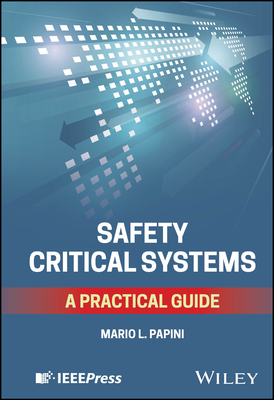
A guide to developing safety critical system processes with detailed information on approaches to current and future safety systems
Safety Critical Systems discusses and maps the relationship between various processes of safety critical systems processes, their interdependence, and necessary elements of independence. The book describes the types of systems currently in use, their structures, and their associated creation processes, gathering practical lessons primarily from the field of railway signaling and emphasizing the critical elements that render the requirements, design, analysis, implementation, and management processes robust.
The concept of "orthogonal views" is introduced to analyze the processes that surround the creation of a safety critical system and quantify their independence and interdependence. Practical guides for each of the key disciplines involved in system creation are presented, including the oft-neglected management of the overall process. Lastly, possible approaches to future technology are suggested, such as those related to autonomous vehicles.
Safety Critical Systems includes information on:
- Limits of safety systems, methods to measure safety, absolute versus relative safety, and the relationship between safety and liability
- General design considerations including complexity, self-checks, latent failures, and component failure modes
- Engineering techniques including functional segmentation, independent monitoring, and compound actuating
- Common fallacies including safety through testing, excessive maintenance as a safety measure, and the infallibility of personnel
- Managerial strategies to help engineering and safety groups thrive within an organization when the two are often at odds with one another
Safety Critical Systems provides modern safety practitioners with the knowledge they need to navigate current industry norms to assist them in analyzing systems that are well beyond what traditional techniques can easily handle.
商品描述(中文翻譯)
開發安全關鍵系統流程的指南,提供當前及未來安全系統方法的詳細資訊
安全關鍵系統 討論並描繪了各種安全關鍵系統流程之間的關係、相互依賴性及必要的獨立性元素。本書描述了當前使用的系統類型、其結構及相關的創建流程,主要從鐵路信號領域收集實用經驗,強調使需求、設計、分析、實施及管理流程穩健的關鍵元素。
引入「正交視角」的概念來分析圍繞安全關鍵系統創建的流程,並量化其獨立性和相互依賴性。針對系統創建中涉及的每個關鍵學科,提供實用指南,包括經常被忽視的整體流程管理。最後,建議了未來技術的可能方法,例如與自動駕駛車輛相關的技術。
安全關鍵系統 包含以下資訊:
- 安全系統的限制、安全測量方法、絕對安全與相對安全之間的關係,以及安全與責任之間的關係
- 一般設計考量,包括複雜性、自我檢查、潛在故障及元件故障模式
- 工程技術,包括功能分段、獨立監控及複合驅動
- 常見謬誤,包括透過測試來確保安全、過度維護作為安全措施,以及人員的無誤性
- 管理策略,幫助工程和安全團隊在組織內蓬勃發展,儘管兩者經常存在衝突
安全關鍵系統 為現代安全從業者提供了他們所需的知識,以便在當前行業標準中導航,幫助他們分析超出傳統技術輕易處理的系統。
作者簡介
MARIO L. PAPINI is the Co-Founder of Rebus Solutions S.R.L. Previously, he was an Implementation Director, Engineering Manager, and Systems Engineer with GE.
作者簡介(中文翻譯)
**MARIO L. PAPINI** 是 Rebus Solutions S.R.L. 的共同創辦人。之前,他曾擔任 GE 的實施總監、工程經理和系統工程師。