-
出版商:
Createspace Independent Publishing Platform
-
出版日期:
2014-11-15
-
售價:
$1,780
-
貴賓價:
9.5 折
$1,691
-
語言:
英文
-
頁數:
698
-
裝訂:
Quality Paper - also called trade paper
-
ISBN:
1503234886
-
ISBN-13:
9781503234888
-
相關分類:
光學 Optics
商品描述
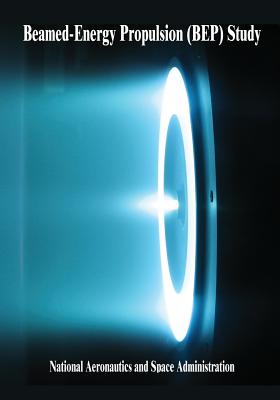
The official scope of this study was (1) to review and analyze the state-of-art in beamed-energy propulsion (BEP) by identifying potential game-changing applications, (2) to formulate a roadmap of technology development, and (3) to identify key near-term technology demonstrations to rapidly advance elements of BEP technology to Technology Readiness Level (TRL). The two major areas of interest were launching payloads and space propulsion. More generally, the study was requested and structured to address basic mission feasibility. The attraction of BEP is the potential for high specific impulse (Isp) while removing the power generation mass. The rapid advancements in high-energy beamed-power systems and optics over the past 20 years warranted a fresh look at the technology. BEP could help meet the known needs of NASA and/or the Department of Defense (DOD), providing low-cost, rapid access to space for operationally responsive military systems, scientific payloads, and the commercialization of space. For launching payloads, the study concluded that using BEP to propel vehicles into space is technically feasible if a commitment to develop new technologies and large investments can be made over long periods of time. Such a commitment would include specific technologies like multi-megawatt power lasers and microwave sources as well as building new launch facility infrastructure. The costs of the infrastructure are high. From a commercial competitive standpoint, if an advantage of beamed energy for Earth-to-orbit (ETO) is to be found, it will rest with smaller, frequently launched payloads. For space propulsion, the study concluded that using beamed energy to propel vehicles from low Earth orbit to geosynchronous Earth orbit (LEO-GEO) and into deep space is definitely feasible and showed distinct advantages and greater potential over current propulsion technologies. However, this conclusion also assumes that upfront infrastructure investments and commitments to critical technologies will be made over long periods of time. BEP energy source requirements are much less than for the launch applications. Lower propulsion costs with shorter transit times for LEO-GEO servicing missions and faster science missions to the outer planets are the major benefits. The chief issue, similar to that for payloads, is high infrastructure costs. As can happen in detailed examinations of innovative approaches, the study uncovered two unanticipated areas that appear to have great potential and therefore are worthy of consideration for new investment, at least at the "detailed study" level. BEP could provide the key to combining propulsion, power, and communications systems for in-space applications, thus creating a new class of small spacecraft with minimal systems and reducing their complexity, cost, and mass. Beaming energy to a thermal optical plasma engine could provide a highly efficient technology for high-thrust and high-ISP space propulsion. The specifics of these concepts are provided in the main body of the report. Finally, the intention of this study was to work within the time and resources allotted to determine the feasibility of BEP. This involved achieving a single closed-design solution for each mission analyzed which is, in all probability, not the optimum solution. As such, proponents of the investigated concepts may not agree with the study's findings and final design solutions, citing that better performance could be achieved with additional design effort. The authors do not disagree with that perspective. Nonetheless, the study management team was satisfied that the results were sufficient to meet the primary objective, which was to prove or disprove the feasibility of the concept and missions. It is also noted that at this time all possible future demonstrations of beamed energy and power transfer will be pursued solely by NASA.
商品描述(中文翻譯)
本研究的官方範圍為 (1) 回顧和分析光束能量推進(BEP)的最新技術,識別潛在的顛覆性應用,(2) 制定技術發展的路線圖,以及 (3) 確定關鍵的短期技術示範,以快速推進BEP技術的技術成熟度等級(TRL)。兩個主要的關注領域是發射有效載荷和太空推進。更一般地說,本研究的請求和結構旨在解決基本任務的可行性。BEP的吸引力在於其潛在的高比衝(Isp),同時消除發電質量。在過去20年中,高能光束電力系統和光學技術的快速進展使得重新審視這項技術變得必要。BEP可以幫助滿足NASA和/或國防部(DOD)的已知需求,為操作上反應迅速的軍事系統、科學有效載荷和太空商業化提供低成本、快速進入太空的途徑。對於發射有效載荷,本研究得出結論,使用BEP推進載具進入太空在技術上是可行的,前提是能夠承諾開發新技術並在長期內進行大量投資。這樣的承諾將包括多兆瓦級的激光和微波源等特定技術,以及建設新的發射設施基礎設施。基礎設施的成本很高。從商業競爭的角度來看,如果要找到光束能量在地球到軌道(ETO)方面的優勢,那將依賴於較小、頻繁發射的有效載荷。對於太空推進,本研究得出結論,使用光束能量將載具從低地球軌道推進到靜止地球軌道(LEO-GEO)及進入深空是完全可行的,並顯示出相較於當前推進技術的明顯優勢和更大的潛力。然而,這一結論也假設在長期內將進行前期基礎設施投資和對關鍵技術的承諾。BEP的能源需求遠低於發射應用。對於LEO-GEO服務任務和更快的外行星科學任務,較低的推進成本和更短的過境時間是主要好處。主要問題,與有效載荷相似,是高基礎設施成本。正如在對創新方法的詳細檢查中可能發生的那樣,本研究發現了兩個意想不到的領域,這些領域似乎具有巨大的潛力,因此值得考慮進行新的投資,至少在“詳細研究”層面上。BEP可以為在太空應用中結合推進、電力和通信系統提供關鍵,從而創造出一類具有最小系統的小型航天器,減少其複雜性、成本和質量。將能量傳送到熱光學等離子體引擎可以為高推力和高比衝的太空推進提供一種高效技術。這些概念的具體細節在報告的主體中提供。最後,本研究的目的是在分配的時間和資源內,確定BEP的可行性。這涉及為每個分析的任務達成一個單一的封閉設計解決方案,這在所有可能性中,可能不是最佳解決方案。因此,研究的支持者可能不同意本研究的發現和最終設計解決方案,並指出通過額外的設計努力可以實現更好的性能。作者對這一觀點並不反對。儘管如此,研究管理團隊對結果感到滿意,認為這些結果足以達成主要目標,即證明或駁斥該概念和任務的可行性。還需指出的是,目前所有可能的光束能量和電力傳輸的未來示範將僅由NASA進行。