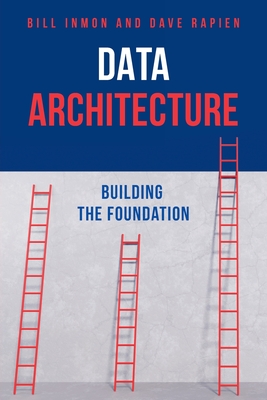
Data Architecture: Building the Foundation
暫譯: 數據架構:建立基礎
Inmon, Bill, Rapien, David
- 出版商: Technics Publications
- 出版日期: 2025-06-16
- 售價: $1,560
- 貴賓價: 9.5 折 $1,482
- 語言: 英文
- 頁數: 172
- 裝訂: Quality Paper - also called trade paper
- ISBN: 1634626354
- ISBN-13: 9781634626354
-
相關分類:
Data-visualization
海外代購書籍(需單獨結帳)
商品描述
The success of today's most advanced technologies-AI, machine learning, data mesh, and analytics-depends on one critical element: a solid foundation of high-quality, well-architected data.
In Data Architecture: Building the Foundation, bestselling author Bill Inmon and seasoned data expert Dave Rapien deliver a definitive guide to creating, managing, and evolving a data architecture that truly supports modern business needs. Whether you're implementing AI, driving business analytics, or transforming legacy systems, this book equips you with the foundational strategies and architectural principles to make it work with a focus on sustainability and scalability.
This comprehensive guide helps readers understand why most organizations struggle with fractured, incomplete, and inaccessible data-and what can be done about it. You'll explore the role of a data architect, the essential elements of a solid data foundation, and how to integrate structured, textual, and analog data into a unified, coherent framework. From metadata and data lineage to integrity, accessibility, and completeness, each chapter delivers practical knowledge that drives real business value.
Aimed at data architects, analysts, business leaders, and IT professionals, this book answers the question: What does a truly usable, scalable, and business-aligned data architecture look like? Readers will learn how to assess and transform legacy data systems, build effective data models, and implement robust data governance and integration strategies.
The book delves into how to use Extract, Classify, and Load (ECL) to harmonize disparate datasets across business units. It also explores the different types of data-structured, textual, and analog-and how each requires different techniques for transformation and analysis. If you're wrestling with data quality issues or trying to make sense of disconnected systems, this is the roadmap you've been missing.
You'll gain an understanding of metadata management, naming conventions, and data completeness, while also mastering the crucial role of data accuracy, atomicity, and relatability in enabling trustworthy AI, predictive modeling, and operational efficiency. Practical insights into data currency, integration, and the probability of access ensure that you're not just managing data, but unlocking its potential.
With clear explanations, real-world examples, and strategic frameworks, Data Architecture helps you bridge the gap between IT and business, enabling informed decision-making and future-proofed technology investments. Learn how to transform your data into a trusted asset that drives innovation, not frustration.
In addition to covering the technical aspects, the authors underscore the business value of good architecture. By aligning your data foundation with business goals-such as improving profitability, customer engagement, and operational efficiency-you can unlock powerful insights and avoid the classic pitfalls of garbage-in, garbage-out.
Whether you're building your first data strategy or looking to modernize an aging infrastructure, Data Architecture: Building the Foundation is the essential reference for aligning your technology with your goals-and building a future-proof foundation that actually delivers on the promise of modern data.
商品描述(中文翻譯)
當今最先進技術的成功——人工智慧、機器學習、數據網格和分析——依賴於一個關鍵要素:高品質、良好架構的數據基礎。
在《數據架構:建立基礎》中,暢銷書作者比爾·因蒙(Bill Inmon)和資深數據專家戴夫·拉皮恩(Dave Rapien)提供了一本關於創建、管理和演變數據架構的權威指南,這種架構真正支持現代商業需求。無論您是在實施人工智慧、推動商業分析,還是轉型舊有系統,本書都為您提供了基礎策略和架構原則,幫助您專注於可持續性和可擴展性。
這本全面的指南幫助讀者理解為什麼大多數組織在面對破碎、不完整和無法訪問的數據時會掙扎,以及可以採取什麼措施來解決這些問題。您將探索數據架構師的角色、堅實數據基礎的基本要素,以及如何將結構化、文本和類比數據整合到一個統一且連貫的框架中。從元數據和數據血緣到完整性、可訪問性和完整性,每一章都提供了推動實際商業價值的實用知識。
本書針對數據架構師、分析師、商業領導者和IT專業人士,回答了這個問題:真正可用、可擴展且與業務對齊的數據架構是什麼樣的? 讀者將學習如何評估和轉型舊有數據系統,建立有效的數據模型,並實施健全的數據治理和整合策略。
本書深入探討如何使用提取、分類和加載(ECL)來協調業務單位之間的不同數據集。它還探討了不同類型的數據——結構化、文本和類比——以及每種類型在轉換和分析時所需的不同技術。如果您正在與數據質量問題作鬥爭或試圖理解不連貫的系統,這是您一直缺少的路線圖。
您將了解元數據管理、命名慣例和數據完整性,同時掌握數據準確性、原子性和相關性在實現可信的人工智慧、預測建模和運營效率中的關鍵角色。對數據時效性、整合和訪問概率的實用見解確保您不僅僅是在管理數據,而是在釋放其潛力。
通過清晰的解釋、現實世界的例子和戰略框架,《數據架構》幫助您彌合IT與商業之間的鴻溝,使您能夠做出明智的決策和未來可持續的技術投資。學習如何將您的數據轉變為推動創新而非挫折的可信資產。
除了涵蓋技術方面,作者還強調良好架構的商業價值。通過將您的數據基礎與商業目標對齊——例如提高盈利能力、客戶參與度和運營效率——您可以釋放強大的見解,避免經典的垃圾進、垃圾出陷阱。
無論您是在建立第一個數據策略還是希望現代化老化的基礎設施,《數據架構:建立基礎》都是對齊您的技術與目標的必要參考,並建立一個真正能實現現代數據承諾的未來可持續基礎。