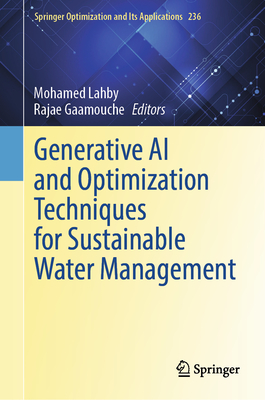
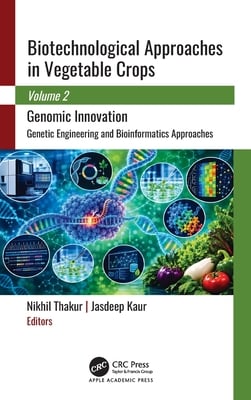
Biotechnological Approaches in Vegetable Crops: Volume 2: Genomic Innovation: Genetic Engineering and Bioinformatics Approaches
暫譯: 蔬菜作物的生物技術方法:第 2 卷:基因組創新:基因工程與生物資訊學方法
Thakur, Nikhil, Kaur, Jasdeep
- 出版商: Apple Academic Press
- 出版日期: 2026-12-16
- 售價: $6,920
- 貴賓價: 9.5 折 $6,574
- 語言: 英文
- 頁數: 368
- 裝訂: Hardcover - also called cloth, retail trade, or trade
- ISBN: 1779644507
- ISBN-13: 9781779644503
-
相關分類:
生物資訊 Bioinformatics
尚未上市,無法訂購
相關主題


商品描述
In the face of mounting global challenges such as climate change, increasing population pressure, and the need for nutritional security, the demand for resilient, high-yielding, and quality vegetable crops has never been more critical. Biotechnology offers transformative tools and strategies that complement traditional breeding methods, enabling precise, accelerated, and sustainable improvements in vegetable crops. This new two-volume set, Biotechnological Approaches in Vegetable Crops, offers an insightful exploration into the dynamic intersection of biotechnology and agriculture, with a specific focus on the cultivation and enhancement of vegetable crops. Authored by leading experts in the field, this book provides a comprehensive overview of the latest advances, methodologies, and applications of biotechnological interventions in vegetable crop production.
Volume 1: Molecular Breeding Tools: From Basics to Breakthroughs covers foundational concepts and emerging technologies in the field of vegetable crop biotechnology. The chapters discuss topics from the importance and scope of biotechnology in vegetable crops to advanced molecular breeding techniques such as QTL mapping, marker-assisted selection, genomic selection, and gene pyramiding. The first few chapters lay the groundwork with insights into the role of biotechnology and in vitro techniques, followed by an exploration of somatic embryogenesis and molecular markers. The volume then delves into mapping populations, association mapping, and various breeding strategies, including forward and reverse breeding, mutation breeding, etc. Each chapter combines theoretical knowledge with practical applications and recent developments to provide a holistic view of each topic.
Volume 2: Genomic Innovation: Genetic Engineering and Bioinformatics Approaches presents a focused exploration of modern molecular technologies shaping the future of vegetable research. It covers TILLING (Targeting Induced Local Lesions in Genomes) and eco-TILLING, which are efficient reverse genetics approaches used for allele mining without introducing foreign DNA and which offer valuable insights for discovering beneficial mutations and enhancing genetic diversity in breeding populations. Also covered are applications of cisgenesis, intragenesis, and transgenesis, giving a clear understanding of how genetic modifications are utilized to develop improved vegetable varieties with reduced biosafety concerns. The role of genetic engineering, gene cloning, and gene silencing (RNAi and antisense RNA) is also discussed in detail, showcasing their impact on developing disease-resistant and nutritionally enhanced crops. The volume also addresses biofortification, highlighting strategies to enrich vegetables with essential micronutrients through molecular interventions. A chapter is dedicated to regulatory frameworks and biosafety protocols, providing insight into the governance and safe release of genetically modified crops. Also explored is the digital era of breeding, focusing on Next Generation Sequencing (NGS) and various omics approaches, which have accelerated gene discovery and trait mapping. Cutting-edge genome editing technologies, such as ZFNs, TALENs, and CRISPR/Cas, are presented as transformative tools for targeted crop improvement.
This two-volume compilation is an important reference for advancing knowledge and encouraging innovation in the field of vegetable biotechnology. The convergence of multiple authors and perspectives enriches this compilation, offering readers a nuanced understanding of biotechnological interventions in vegetable crops.
面對氣候變遷、人口壓力日益增加,以及確保營養安全等全球性挑戰,對具備韌性、高產量與優良品質的蔬菜作物之需求,從未如今日般迫切。生物技術提供了可與傳統育種方法互補的革新工具與策略,使蔬菜作物能夠獲得精準、快速且永續的改良。本套全新兩卷本《蔬菜作物的生物技術方法》,深入探討生物技術與農業之間不斷發展的交會領域,並特別聚焦於蔬菜作物的栽培與改良。本書由該領域的專家共同撰寫,完整概述生物技術介入蔬菜作物生產的最新進展、方法與應用。
第一卷〈分子育種工具:從基礎到突破〉涵蓋蔬菜作物生物技術領域的基礎概念與新興技術。本卷各章討論從生物技術在蔬菜作物中的重要性與應用範疇,到 QTL 定位、標誌輔助選拔(marker-assisted selection)、基因體選拔(genomic selection)及基因聚合(gene pyramiding)等先進分子育種技術。前幾章首先介紹生物技術與離體培養(in vitro)技術所扮演的角色,接著探討體細胞胚胎發生與分子標誌。隨後,本卷深入說明定位族群、關聯分析,以及包括正向育種與反向育種、突變育種等多種育種策略。每一章均結合理論知識、實務應用與近期發展,提供對各主題的全面性理解。
第二卷〈基因體創新:基因工程與生物資訊學方法〉聚焦探討形塑蔬菜研究未來的現代分子技術。本卷涵蓋 TILLING(Targeting Induced Local Lesions in Genomes,基因體中誘導局部突變的標定)與 eco-TILLING。這些技術是有效的反向遺傳學方法,可在不導入外源 DNA 的情況下進行等位基因挖掘(allele mining),為發現有益突變及提升育種族群的遺傳多樣性提供重要洞見。本卷也介紹順式基因轉殖(cisgenesis)、內源基因重組(intragenesis)與轉基因(transgenesis)的應用,清楚說明如何運用基因改造技術培育改良型蔬菜品種,同時降低生物安全疑慮。此外,本卷詳細討論基因工程、基因選殖,以及基因沉默技術,包括 RNAi 與反義 RNA(antisense RNA),展示這些技術在培育抗病及營養強化作物方面所發揮的影響。
本卷亦探討生物強化(biofortification),說明如何透過分子介入策略,提升蔬菜中重要微量營養素的含量。其中一章專門介紹法規架構與生物安全規範,深入說明基因改造作物的管理機制及安全釋出程序。本卷也探討育種的數位時代,聚焦於次世代定序(Next Generation Sequencing, NGS)及各種組學(omics)方法;這些技術已加速基因發現與性狀定位。包括 ZFNs、TALENs 及 CRISPR/Cas 在內的尖端基因體編輯技術,則被介紹為能夠進行作物定向改良的革新工具。
這套兩卷本著作是推進蔬菜生物技術知識並鼓勵創新的重要參考資料。多位作者與不同觀點的匯聚,豐富了本套著作的內容,為讀者提供理解蔬菜作物生物技術介入措施的細緻觀點。
以上中文內容由 AI 翻譯作者簡介
Nikhil Thakur, PhD, is renowned for his exemplary academic career, he has made significant contributions to the field of horticultural research. Dr. Thakur has authored book chapters, research reviews, research papers, research abstracts, and scientific articles published in esteemed books, journals, and magazines of scientific repute. Additionally, he has written a book and actively participated in several national and international conferences, training sessions, and workshops. Dr. Thakur serves as a reviewer for various prestigious international journals and holds life memberships in multiple international scientific organizations. He has also successfully qualified several national competitive examinations, including ASRB-NET and ICAR-JRF. His academic excellence has been recognized with numerous accolades, including the Award of Excellence for achieving the highest academic rank in the MSc program at Dr. Yashwant Singh Parmar University of Horticulture and Forestry, Nauni, during the institution's 36th Foundation Day celebrations in 2020. Dr. Thakur's dedication to research and education continues to inspire and contribute to the advancement of horticultural sciences.
Jasdeep Kaur, PhD, is pursuing his PhD in Vegetable Science at the College of Agriculture CSK Himachal Pradesh Krishi Vishwavidyalaya Palampur, India. She is currently working on stability analysis and association mapping for fruit yield traits in capsicum (Capsicum annuum L.). She has authored book chapters, research reviews, research papers, research abstracts, and scientific articles published in esteemed newspaper and magazines of scientific repute. She has presented and participated in numerous state, national, and international conferences, seminars, and workshops. She is also a reviewer for various international journals and holds life memberships in various international organizations.
Nikhil Thakur 博士以卓越的學術生涯享有盛譽,並在園藝研究領域做出重大貢獻。Thakur 博士曾於深具科學聲望的書籍、期刊與雜誌中發表書籍章節、研究評論、研究論文、研究摘要及科學文章。此外,他也曾撰寫一本專書,並積極參與多場國內外學術會議、培訓課程與工作坊。Thakur 博士擔任多本知名國際期刊的審稿人,並擁有多個國際科學組織的終身會員資格。他也成功通過多項國家級競爭考試,包括 ASRB-NET 與 ICAR-JRF。其卓越的學術表現獲得多項榮譽肯定,其中包括 2020 年 Dr. Yashwant Singh Parmar University of Horticulture and Forestry(Nauni)創校 36 週年慶祝活動中所頒發的卓越獎,以表彰他在 MSc 課程中取得最高學業排名。Thakur 博士對研究與教育的投入,持續激勵他人並為園藝科學的進步做出貢獻。
Jasdeep Kaur 博士目前正在印度 Palampur 的 College of Agriculture CSK Himachal Pradesh Krishi Vishwavidyalaya 攻讀 Vegetable Science 博士學位。她目前致力於研究甜椒(Capsicum annuum L.)果實產量性狀的穩定性分析與關聯分析。她曾於深具科學聲望的報紙與雜誌中發表書籍章節、研究評論、研究論文、研究摘要及科學文章。她曾在多場邦級、國家級及國際性的學術會議、研討會與工作坊中發表研究成果並參與交流。她也是多本國際期刊的審稿人,並擁有多個國際組織的終身會員資格。
以上中文內容由 AI 翻譯