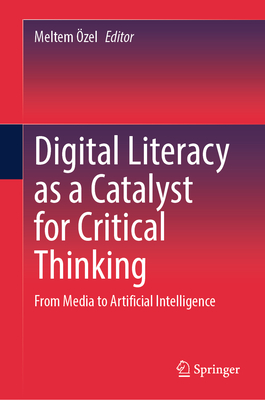
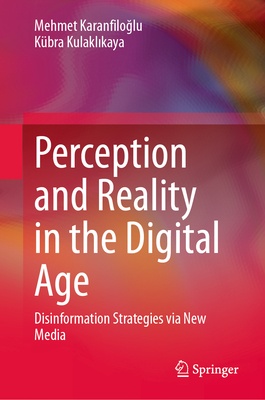
This book explores the many forms in which literacy--the ability to read and write--can manifest. Media and Information Literacy is the ability to use different types of media in a reliable, intelligent, and responsible manner. The development of literacy competence has occurred in parallel with the developments in the historical period. Different types of media have emerged in the historical process, and accordingly, the competences of individuals have developed and diversified and have had socio-cultural reflections. Media and Information Literacy (MIL) is harmonious because it encompasses the various concepts of connected literacies. These include: media literacy, information literacy, freedom of expression and information literacy, library literacy, news literacy, computer literacy, internet literacy, digital literacy, cinema literacy, games literacy, television literacy, advertising literacy, and other types of literacies. Media and Information Literacy is extremely important today because it enables critical thinking. An individual who is Media and Information literate can distinguish between reliable sources of information, determine the role of media in culture, and be responsible for understanding the impact of mass communication when switching between different media platforms. Media and Information Literacy is considered a set of competencies and skills that are close to the concepts of online and offline media, critical thinking, media use, information and source awareness, digital citizenship, and active participation. In particular, Media and Information Literacy skills are skills that are encouraged to combat social challenges such as misinformation and disinformation, extremism, cyberbullying and online hate speech, various cybercrimes (blackmail, data theft, human rights violations, etc.). Media and Information Literacy is a set of competencies that enable a person to access media, analyze media content, create new media messages, reflect on existing media content, and take action with media.
本書探討了識字能力——即閱讀和書寫的能力——的多種形式。媒體與資訊素養(Media and Information Literacy)是指以可靠、智慧和負責任的方式使用不同類型媒體的能力。識字能力的發展與歷史時期的發展並行而行。在歷史過程中,各種媒體類型相繼出現,隨之而來的是個體能力的發展與多樣化,並對社會文化產生了反思。媒體與資訊素養(MIL)是和諧的,因為它涵蓋了各種相互連結的識字概念,包括:媒體素養、資訊素養、言論自由與資訊素養、圖書館素養、新聞素養、電腦素養、網路素養、數位素養、電影素養、遊戲素養、電視素養、廣告素養及其他類型的素養。
媒體與資訊素養在當今極為重要,因為它促進了批判性思維。具備媒體與資訊素養的個體能夠區分可靠的資訊來源,確定媒體在文化中的角色,並對於在不同媒體平台之間切換時理解大眾傳播的影響負責。媒體與資訊素養被視為一組與線上和線下媒體、批判性思維、媒體使用、資訊與來源意識、數位公民身份及積極參與相關的能力和技能。特別是,媒體與資訊素養技能是被鼓勵用來應對社會挑戰的技能,例如錯誤資訊與假資訊、極端主義、網路霸凌和線上仇恨言論、各種網路犯罪(勒索、資料竊取、人權侵犯等)。媒體與資訊素養是一組使個人能夠接觸媒體、分析媒體內容、創造新媒體訊息、反思現有媒體內容並採取行動的能力。
以上中文內容由 AI 翻譯