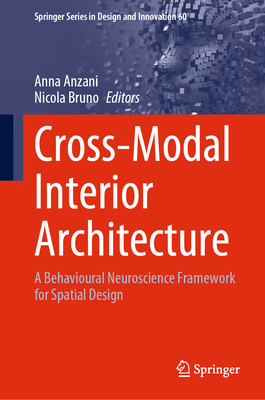
Cross-Modal Interior Architecture: A Behavioural Neuroscience Framework for Spatial Design
暫譯: 跨模態室內建築:空間設計的行為神經科學框架
Anzani, Anna, Bruno, Nicola
商品描述
This book addresses the widespread demand for an organism-centred approach to places that are consistent with psychological, emotional and social needs, based on a transdisciplinary confluence of behavioural neuroscience, interior architecture and spatial design. Ordinary perception is multisensory and based on automatic, spontaneous and often obligatory mental processes. If the design manages multisensory signals so that they are coherent, the brain automatically associates and processes them more smoothly and a mental state joined with aesthetics and comfort is produced. This activity generates a more pleasant cognitive experience, positively influencing both our aesthetic preferences and the decisions we make.
The first part of the book deals with perception and its influence on interior and architectural design processes. The second part addresses multisensory wellbeing and its implication for human-place interaction. The third part focuses on atmospheres as a tool for interior regeneration, temporal and spatial experience. The fourth part is devoted to urban psychology and the diversity of the social environment.
Researchers, designers, practitioners can benefit from the knowledge of these phenomena and apply it to improve the liveability of new and reused spaces, expand individual wellbeing and better the relationship between people and their habitat.
商品描述(中文翻譯)
本書針對對於以生物為中心的方法的廣泛需求進行探討,這種方法與心理、情感和社會需求相一致,基於行為神經科學、室內建築和空間設計的跨學科交匯。普通的感知是多感官的,基於自動、自發且通常是強制性的心理過程。如果設計能夠有效管理多感官信號,使其保持一致,則大腦會自動地更順暢地聯想和處理這些信號,並產生與美學和舒適感相結合的心理狀態。這種活動會產生更愉悅的認知體驗,對我們的美學偏好和所做的決策產生積極影響。
本書的第一部分探討感知及其對室內和建築設計過程的影響。第二部分則關注多感官的幸福感及其對人與場所互動的影響。第三部分專注於氛圍作為室內再生、時間和空間體驗的工具。第四部分則致力於城市心理學和社會環境的多樣性。
研究人員、設計師和從業者可以從這些現象的知識中受益,並將其應用於改善新建和再利用空間的宜居性,擴展個體的幸福感,並改善人與其棲息地之間的關係。