商品描述
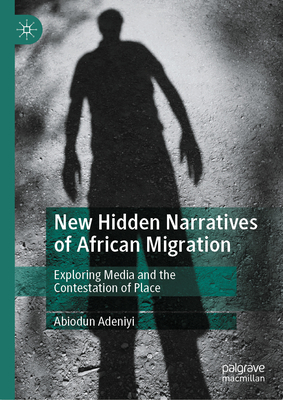
This book examines African migration through the lens of media, memory, and contested belonging, offering fresh insights into displacement, identity, misinformation, and digital storytelling. It provides a clear, research-based account of hidden migration stories, challenging dominant media portrayals while updating our understanding of longing, belonging, hybridity, and place in African mobility. Across its four carefully structured parts, the book moves from migration beyond headlines to the emotional geographies of lost homes, fractured families, and the inner struggles of diasporic identity. It explores gendered journeys, silenced histories, and the unspoken realities of intra-African and intercontinental movement, revealing how secrets, rituals, objects, and memory shape migrant lives. The text then turns to politics and power, examining colonial legacies, fragile migration governance, nationalism, and the politics of knowledge that influence how African migration is understood and controlled. The final section of the book focuses on digital belonging, surveillance, and social media, showing how African migrants use online spaces to disrupt dominant narratives, resist misinformation and disinformation, and reclaim voice and visibility. By combining media studies, migration research, and storytelling, the work offers a vital resource for students, researchers, journalists, policymakers, and general readers searching for authoritative, accessible, and transformative perspectives on African migration, media narratives, identity, and place in a globalised world.
商品描述(中文翻譯)
本書透過媒體、記憶和爭議性歸屬的視角來探討非洲移民,提供了對於流離失所、身份、錯誤資訊和數位敘事的新見解。它清晰且基於研究的敘述了隱藏的移民故事,挑戰主流媒體的刻板印象,同時更新我們對於渴望、歸屬、混合性和非洲流動性中地點的理解。
本書分為四個精心結構的部分,從超越標題的移民議題,轉向失去家園、破碎家庭和離散身份的內心掙扎的情感地理。它探討了性別化的旅程、被沉默的歷史以及非洲內部和洲際移動的未言現實,揭示了秘密、儀式、物品和記憶如何塑造移民的生活。接著,文本轉向政治與權力,檢視殖民遺產、脆弱的移民治理、民族主義以及影響非洲移民理解和控制的知識政治。
本書的最後一部分專注於數位歸屬、監控和社交媒體,展示了非洲移民如何利用線上空間來顛覆主流敘事、抵抗錯誤資訊和假資訊,並重新獲得聲音和能見度。通過結合媒體研究、移民研究和敘事,本書為學生、研究人員、記者、政策制定者以及尋求權威、可及且具變革性觀點的讀者提供了一個重要資源,幫助他們理解非洲移民、媒體敘事、身份和在全球化世界中的地位。
作者簡介
Abiodun Adeniyi is Professor of Communication at Baze University, Abuja, Nigeria, and a pioneering scholar in diasporic communication. His teaching and research also focus on development and strategic communication. He holds a B.Sc. from Ahmadu Bello University, Zaria, Nigeria and an M.A. (Chevening Scholar) and a PhD from the University of Leeds, United Kingdom. Widely travelled within Africa and beyond, his published works include Diasporic Communication in the Digital Age (2021), and the co-edited volume Media and the National Security Question: Communicating (In)security in Nigeria, West Africa, and the Sahel (Palgrave Macmillan, 2025). He is completing a forthcoming book on Ancestral Villages, Digital Homes: Memory, Migration, and the Transformation of Belonging in Urban Africa.
作者簡介(中文翻譯)
阿比奧敦·阿德尼伊(Abiodun Adeniyi)是尼日利亞阿布賈的貝茲大學(Baze University)傳播學教授,也是離散傳播領域的先驅學者。他的教學和研究還專注於發展與策略傳播。他擁有尼日利亞扎里亞的阿哈馬杜·貝洛大學(Ahmadu Bello University)頒發的理學士學位,以及英國利茲大學(University of Leeds)頒發的碩士學位(切文獎學者)和博士學位。 他在非洲及其他地區廣泛旅行,已出版的著作包括《數位時代的離散傳播》(Diasporic Communication in the Digital Age,2021年)以及共同編輯的專著《媒體與國家安全問題:在尼日利亞、西非和薩赫勒地區的(不)安全傳播》(Media and the National Security Question: Communicating (In)security in Nigeria, West Africa, and the Sahel,帕爾格雷夫·麥克米倫出版社,2025年)。他正在完成一本即將出版的書籍,題為《祖先村莊、數位家園:記憶、移民與城市非洲的歸屬轉變》(Ancestral Villages, Digital Homes: Memory, Migration, and the Transformation of Belonging in Urban Africa)。