相關主題

商品描述
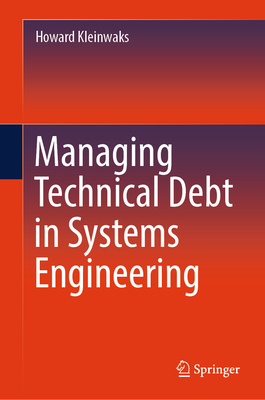
Every systems engineer and project manager has experienced similar pains during system development: tasks take longer or are more complex than they should be, you have to correct or rework previous activities, or that shortcut you thought you had wasn't really a good idea. These are all symptoms of technical debt - the long-term consequences of decisions made for a short-term benefit. In today's fast-paced development world, we often make decisions to get a release out the door without consideration of the downstream impacts, which builds technical debt within the system. In recent years, technical debt has been blamed for disruptions from flight cancellations to cyber-attacks and cost companies billions of dollars. The good news is that technical debt is not inevitable and if it is properly managed, it can be a tool to help the system development. This book provides practicing systems engineers and project managers the tools and techniques necessary to manage technical debt within systems engineering projects. The reader will learn how to identify and manage technical debt to mitigate its impacts on the system throughout the three parts of this book. Part 1 introduces the concept of technical debt and develops a common ontology. Part 2 introduces the reader to the causes and types of technical debt and its applicability to the systems engineering lifecycle. Part 3 explains the technical debt management cycle, providing methods to identify, measure, and mitigate the effects of technical debt within the development of a project. Part 3 concludes with a definition of technical bankruptcy and a case study of a project that went technically bankrupt, leading to project cancellation.
商品描述(中文翻譯)
每位系統工程師和專案經理,在系統開發過程中都曾遭遇過類似的痛點:任務所需時間比預期更長,或複雜程度超出應有範圍;必須修正或重做先前的工作;或者,原本以為能走的捷徑,實際上並不是個好主意。這些都是技術債(technical debt)的徵兆——也就是為了短期效益所做的決策,所造成的長期後果。
在今日快速變動的開發環境中,我們經常為了及時發布版本而做出決策,卻未考量其對後續工作的影響,因而在系統中累積技術債。近年來,從航班取消到網路攻擊等各種事故,都有人將其歸咎於技術債,並使企業付出數十億美元的代價。
好消息是,技術債並非不可避免;只要妥善管理,它也能成為協助系統開發的工具。本書為實務工作中的系統工程師與專案經理提供在系統工程專案中管理技術債所需的工具與技術。全書分為三個部分,讀者將學習如何識別及管理技術債,以減輕其對系統造成的影響。
第 1 部分介紹技術債的概念,並建立共同的本體論(ontology)。第 2 部分介紹技術債的成因與類型,以及其在系統工程生命週期中的適用性。第 3 部分說明技術債管理週期,提供在專案開發過程中識別、衡量並減輕技術債影響的方法。第 3 部分最後將定義技術破產(technical bankruptcy),並探討一個因技術破產而導致專案取消的專案案例。
作者簡介
Dr. Howard Kleinwaks is the Chief Engineer of the National Security Division at Modern Technology Solutions, Inc. (MTSI) and also the Tranche 1 Chief Engineer at the Space Development Agency. After graduating with a Bachelor's and Master's degrees in Aerospace Engineering from MIT, he worked on several spiral development projects. This experience led him to ask the basic question "How do we know that the decision we are making now will not have long-term impacts on our future spirals?" To answer this question, he completed a Doctor of Engineering degree at Colorado State University studying the implications of technical debt on systems engineering development projects. Dr. Kleinwaks has over 20 years of experience working and managing complex systems development projects and has implemented technical debt management programs on his current projects. He is a Certified Systems Engineering Professional (CSEP), Project Management Professional (PMP), and a Professional Scrum Master. His experience stretching across systems engineering, project management, and Agile development informs the development of this book for like-minded readers.
作者簡介(中文翻譯)
Howard Kleinwaks 博士是 Modern Technology Solutions, Inc. (MTSI) 國家安全部門的總工程師,同時也是 Space Development Agency 第 1 批次(Tranche 1)的總工程師。他畢業於 MIT,取得航空暨太空工程學士與碩士學位,之後參與多項螺旋式開發(spiral development)專案。這段經歷促使他思考一個基本問題:「我們如何確定現在所做的決策,不會對未來的螺旋式開發造成長期影響?」
為了回答這個問題,他在 Colorado State University 完成工程博士學位,研究技術債(technical debt)對系統工程開發專案的影響。Kleinwaks 博士擁有超過 20 年參與及管理複雜系統開發專案的經驗,並已在目前負責的專案中實施技術債管理計畫。他具備 Certified Systems Engineering Professional (CSEP)、Project Management Professional (PMP) 及 Professional Scrum Master 認證。他在系統工程、專案管理與 Agile 開發等領域的豐富經驗,促成了本書的撰寫,並服務於與他志同道合的讀者。