商品描述
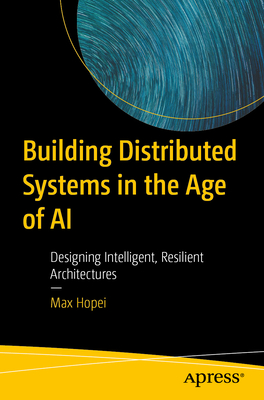
This book provides a forward-looking guide to building distributed systems in the era of AI. It examines how foundational software architecture must collaborate and adapt to a world increasingly influenced by machine agents, real-time data streams, and autonomous behavior. As AI becomes a runtime component, rather than just a feature, traditional architectural patterns such as microservices, event-driven flows, and reactive design must be reinterpreted. This book explores emerging strategies like agent-based architectures, streaming-first systems, and privacy-preserving AI infrastructure. It demonstrates how to create intelligent, resilient systems that remain observable and interoperable even as their behavior becomes more opaque and autonomous. Beyond the technology, this book also addresses the evolving role of the software engineer. Code is no longer written solely for humans; it must now communicate clearly with large language models that read, generate, and reason about it. Finally, the book assesses the machine-centric shift of the Internet. As AI agents increasingly consume content, activate APIs, and make decisions online, the design of interfaces, protocols, and privacy safeguards must evolve. Systems must now cater to two audiences: humans and machines with very different expectations. This book is aimed at software engineers, architects, and technical leaders navigating the next generation of distributed system design. It assists them in rethinking priorities, adapting skills, and designing systems that remain relevant, scalable, and safe in an AI-shaped world. You Will: - Learn how to serve modern complex use cases in the progressing environment by combining different architectures - Discover how the responsibilities and skill sets of software engineers evolve in the context of AI-centric development - Learn to shape systems for the new audience and demands This book is for: Software engineers, architects, and technical leaders.
商品描述(中文翻譯)
本書提供一份前瞻性的指南,帶領讀者了解如何在 AI 時代建構分散式系統。本書探討基礎軟體架構必須如何與機器代理程式(machine agents)協作,並適應一個日益受到機器代理程式、即時資料串流與自主行為影響的世界。隨著 AI 從單純的功能逐漸成為執行階段元件(runtime component),傳統的架構模式,例如微服務(microservices)、事件驅動流程(event-driven flows)與反應式設計(reactive design),都必須重新詮釋。
本書深入探討新興策略,包括代理程式導向架構(agent-based architectures)、串流優先系統(streaming-first systems),以及保護隱私的 AI 基礎架構(privacy-preserving AI infrastructure)。書中示範如何建立具智慧且具韌性的系統,即使系統行為變得更加不透明且自主,仍能維持可觀測性(observability)與互通性(interoperability)。
除了技術層面之外,本書也探討軟體工程師不斷演變的角色。程式碼不再只是為人類所撰寫;現在,它也必須能與大型語言模型(large language models)清楚溝通,因為這些模型會讀取、產生並推理程式碼。
最後,本書評估網際網路轉向以機器為中心的發展趨勢。隨著 AI 代理程式越來越常在網路上擷取內容、呼叫 API 並做出決策,介面、通訊協定與隱私防護機制的設計也必須隨之演進。現在,系統必須服務兩種需求截然不同的受眾:人類與機器。
本書適合正在面對新一代分散式系統設計挑戰的軟體工程師、架構師與技術領導者。它協助讀者重新思考優先事項、調整技能,並設計出在 AI 形塑的世界中仍能維持相關性、可擴充性與安全性的系統。
您將學會:
- 透過結合不同架構,學習如何在持續演進的環境中,支援現代複雜的使用情境
- 探索在以 AI 為核心的開發情境下,軟體工程師的職責與技能組合如何演變
- 學習如何針對新的受眾與需求塑造系統
本書適合:
軟體工程師、架構師與技術領導者。
作者簡介
Max Hopei is a software engineer, architect, and engineering leader with over 15 years of experience building distributed systems at scale. Throughout his career, he has navigated the complexity of modern software architecture, from high-throughput messaging platforms to resilient microservices and AI-integrated systems. His work spans startups and enterprise environments, where he has led cross-functional teams, established engineering best practices, and guided organizations through complex technical transformations. Max has deep expertise in software architecture, cloud infrastructure, and developer experience, and brings a pragmatic, use-case-oriented mindset to everything he builds. He believes great engineering isn't just about technology--it's about designing systems that are understandable, evolvable, and aligned with the human context in which they operate. As a Principal Engineer at Regiondo, he led the re-platforming of one of the biggest B2B booking systems in Europe, migrating it from a monolithic to a microservices architecture. He learned to be pragmatic and to focus on market needs and systems adaptability. At the Celonis Strategy & Innovation department, he investigates emerging technologies, identifies upcoming trends, and drives the design and development of new business models to build the future of Process Intelligence.
作者簡介(中文翻譯)
Max Hopei 是一名軟體工程師、架構師與工程領導者,擁有超過 15 年大規模建構分散式系統的經驗。在職業生涯中,他一路處理現代軟體架構的複雜性,從高吞吐量訊息傳遞平台,到具備韌性的微服務與整合 AI 的系統,皆涵蓋其中。他的工作經歷跨足新創公司與企業環境,曾領導跨職能團隊、建立工程最佳實務,並引導組織完成複雜的技術轉型。
Max 在軟體架構、雲端基礎架構與開發者體驗方面具備深厚專業,無論建構何種系統,都採取務實且以使用情境為導向的思維。他相信,優秀的工程不只是關於技術,更在於設計出易於理解、能夠持續演進,並且符合其運作所在之人類情境的系統。
在 Regiondo 擔任 Principal Engineer 期間,他領導歐洲規模最大的 B2B 預訂系統之一進行平台重建,將其從單體式架構遷移至微服務架構。在此過程中,他學會採取務實的方法,並專注於市場需求與系統的適應性。
在 Celonis 的 Strategy & Innovation 部門,他研究新興技術、辨識即將形成的趨勢,並推動新商業模式的設計與開發,為 Process Intelligence 的未來奠定基礎。