Statistical Optimization for Geometric Computation: Theory and Practice
Kanatani, Kenichi
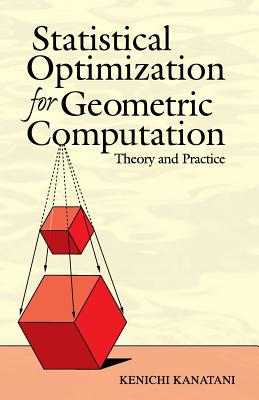
- 出版商: Dover Publications
- 出版日期: 2005-07-26
- 售價: $1,170
- 貴賓價: 9.5 折 $1,111
- 語言: 英文
- 頁數: 509
- 裝訂: Quality Paper - also called trade paper
- ISBN: 0486443086
- ISBN-13: 9780486443089
-
相關分類:
工程數學 Engineering-mathematics
海外代購書籍(需單獨結帳)
買這商品的人也買了...
-
 Effective C++, 3/e (中文版) (Effective C++: 55 Specific Ways to Improve Your Programs and Designs, 3/e)
$500$450 -
 類神經網路與模糊控制理論入門與應用
$350$315 -
 機器學習
機器學習$648$615 -
 $480深入淺出 MFC, 2/e
 -
 $356C++ 多線程編程實戰
 -
 $474深入理解機器學習:從原理到算法 (Understanding Machine Learning : From Theory to Algorithms)
 -
 $265神經網絡與深度學習
 -
 $474深度學習 : Caffe 之經典模型詳解與實戰
 -
 $244深度學習:原理與應用實踐
 -
 深度學習快速入門 — 使用 TensorFlow (Getting started with TensorFlow)
$360$180 -
 TensorFlow + Keras 深度學習人工智慧實務應用
$590$460 -
 LiDAR Remote Sensing and Applications (Remote Sensing Applications Series)
$4,640$4,408 -
 $402LLVM 編譯器實戰教程
 -
 SLAM 視覺十四講:雙倍內容強化版
$690$545 -
 $402終身機器學習 (原書第2版)
 -
 $327TensorFlow 2.0 深度學習從零開始學
 -
 Python 面試題目與解答 -- 邁向高薪之路
$690$545 -
 $354Python 元學習 : 通用人工智能的實現 (Hands-On Meta Learning with Python: Meta learning using one-shot learning, MAML, Reptile, and Meta-SGD with TensorFlow)
 -
 $453AR 開發權威指南 : 基於 AR Foundation
 -
 $516機器學習的數學
 -
 Kaggle 競賽攻頂秘笈 -- 揭開 Grandmaster 的特徵工程心法,掌握制勝的關鍵技術
$1,000$850 -
 $378C++ 入門很輕松 (微課超值版)
 -
 $356Docker 容器技術與運維
 -
 機器人 SLAM 導航:核心技術與實戰
$894$849 -
 從 ROS1 到 ROS2 無人機編程實戰指南
$1,188$1,128
商品描述
This text for graduate students discusses the mathematical foundations of statistical inference for building three-dimensional models from image and sensor data that contain noise--a task involving autonomous robots guided by video cameras and sensors.
The text employs a theoretical accuracy for the optimization procedure, which maximizes the reliability of estimations based on noise data. The numerous mathematical prerequisites for developing the theories are explained systematically in separate chapters. These methods range from linear algebra, optimization, and geometry to a detailed statistical theory of geometric patterns, fitting estimates, and model selection. In addition, examples drawn from both synthetic and real data demonstrate the insufficiencies of conventional procedures and the improvements in accuracy that result from the use of optimal methods.