相關主題


商品描述
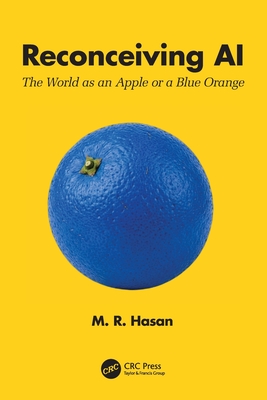
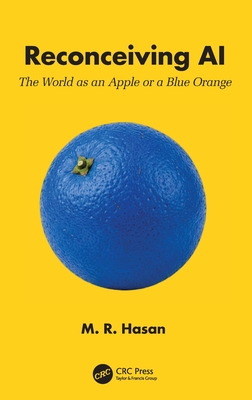
What if everything we assume about artificial intelligence rests on a misconception of human intelligence? This book challenges those assumptions, arguing that human cognition cannot be replicated through data and processing power, and proposes a "Blue Orange Mind" that emerges from collaboration between humans and machines.
Reconceiving AI: The World as an Apple or a Blue Orange draws its central insight from Paul Cézanne, a painter who spent thirty years learning to see an apple and discovered what neuroscience would take another century to confirm: seeing is not receiving but creating. The book pursues this discovery into the nature of intelligence: What does it mean to perceive? To understand language? To reason morally? To imagine what does not exist? Each question leads through artists and poets, philosophers and neuroscientists, novelists and filmmakers, toward a richer understanding of human consciousness and its relationship to artificial minds. The current AI paradigm, which builds machines as mirrors of narrow human rationality, fails to grasp this. Human intelligence thrives on paradox, contradiction, and uncertainty, emerging from embodied experience, symbolic thinking, and the irreducible diversity of minds. Beyond this "cracked mirror," the author proposes the Blue Orange Mind: a form of intelligence that neither humans nor machines can achieve alone, arising from the interplay between what we are and what we might create.
Written for AI researchers, developers, students, and anyone curious about the future of intelligence, this book offers an invitation to see intelligence anew, to understand why consciousness cannot be copied, and to imagine what becomes possible when we stop building machines in our image and start building them as genuine partners in the construction of meaning.
商品描述(中文翻譯)
如果我們對人工智慧的所有假設都建立在對人類智慧的誤解上,那會怎麼樣?這本書挑戰這些假設,主張人類的認知無法僅透過數據和處理能力來複製,並提出一種「藍橙心智」,這種心智是人類與機器之間合作的產物。
《重新思考人工智慧:世界是蘋果還是藍橙》從保羅·塞尚(Paul Cézanne)那裡獲得了其核心見解,這位畫家花了三十年時間學習如何看待一個蘋果,並發現神經科學需要再花一個世紀才能確認的事實:看見不是接收,而是創造。這本書追尋這一發現,探討智慧的本質:感知意味著什麼?理解語言意味著什麼?道德推理意味著什麼?想像不存在的事物意味著什麼?每一個問題都引導我們穿越藝術家和詩人、哲學家和神經科學家、小說家和電影製作人,朝向對人類意識及其與人工心智關係的更深刻理解。目前的人工智慧範式,將機器建構為狹隘人類理性的鏡子,未能掌握這一點。人類智慧在矛盾、對立和不確定性中蓬勃發展,源於具身經驗、符號思維和不可簡化的心智多樣性。在這面「破裂的鏡子」之外,作者提出了藍橙心智:一種智慧的形式,既不是人類也不是機器能夠單獨實現的,這種智慧源於我們所是的與我們可能創造的之間的相互作用。
這本書是為人工智慧研究人員、開發者、學生以及任何對智慧的未來感到好奇的人所寫,提供了一個重新看待智慧的邀請,理解為什麼意識無法被複製,並想像當我們停止按照自己的形象建造機器,開始將它們作為意義建構的真正夥伴時,會變得可能的事物。
作者簡介
M. R. Hasan is an AI researcher and professor at the University of Nebraska-Lincoln, where he directs the Human-First AI Lab (HAL 2.0), named in pointed contrast to Kubrick's rogue creation. This book began at a Cézanne retrospective in Chicago in 2022, with a question: What did a painter who spent thirty years on apples understand about perception that the most sophisticated AI still misses? That question became this book. Born in Bangladesh, Hasan writes from the productive contradictions of immigrant consciousness: between languages, between cultures, between the home he left and the home he is still making.
作者簡介(中文翻譯)
M. R. Hasan 是內布拉斯加州林肯大學的人工智慧研究員及教授,他負責人本優先人工智慧實驗室(Human-First AI Lab, HAL 2.0),這個名稱明顯對比於庫布里克的叛逆創作。本書的起源可以追溯到2022年在芝加哥舉行的塞尚回顧展,當時提出了一個問題:一位花了三十年時間畫蘋果的畫家,對於感知的理解是什麼,而這是最先進的人工智慧仍然無法掌握的?這個問題成為了本書的核心。哈桑出生於孟加拉,從移民意識的矛盾中寫作:在語言之間、文化之間、他所離開的家與他仍在建立的家之間。