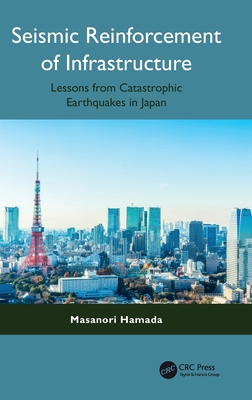
Seismic Reinforcement of Infrastructure: Lessons from Catastrophic Earthquakes in Japan
暫譯: 基礎設施的抗震加固:來自日本災難性地震的教訓
Hamada, Masanori
- 出版商: CRC
- 出版日期: 2026-07-27
- 售價: $4,770
- 貴賓價: 9.5 折 $4,531
- 語言: 英文
- 頁數: 126
- 裝訂: Hardcover - also called cloth, retail trade, or trade
- ISBN: 104121913X
- ISBN-13: 9781041219132
-
相關分類:
靜力學 Engineering-mechanics
海外代購書籍(需單獨結帳)
相關主題


商品描述
Masanori Hamada draws expertise gained throughout his four-decade career to assess the damage caused by notable earthquakes in Japan and explains how remedial design for existing structures can be used to strengthen critical infrastructure to minimize future damage and protect life.
This book introduces practical methods of design and construction of critical built facilities to withstand strong ground shaking in regions of high seismic intensity. It reviews the damage caused by three notable earthquakes in Japan - the 1923 Kanto, 1995 Kobe and 2011 East Japan earthquakes - and presents detailed case histories of earthquake remediation design for existing structures. It addresses the vulnerability of critical infrastructure and low strength of residential houses and explains how such design can be used to minimize loss of life in future disasters. Throughout, the author provides detailed images to illustrate the case studies and offers practical guidance on construction methods for seismic reinforcement of civil engineering and architectural structures and industrial facilities. This includes the improvement of soil, foundations, sea walls, bridges and related structures, dams and embankments, and inground structures. It also addresses liquefaction and ground displacement, as well as measures against tsunamis and earthquake surface faults. This information will enable readers to implement remedial design works on various structures to improve their seismic resistance and safety against earthquakes. This practical guide for students and practitioners provides vital information that will enable them to design strong and safe built facilities to withstand strong ground shaking in regions of high seismic intensity.商品描述(中文翻譯)
Masanori Hamada 利用他四十年職業生涯中獲得的專業知識,評估日本著名地震造成的損害,並解釋如何利用現有結構的補救設計來加強關鍵基礎設施,以減少未來的損害並保護生命。
本書介紹了在高震度地區設計和建造能夠抵抗強烈地面震動的關鍵建築設施的實用方法。它回顧了日本三次著名地震造成的損害——1923年的關東大地震、1995年的神戶地震和2011年的東日本大震災,並呈現了現有結構的地震補救設計的詳細案例歷史。書中探討了關鍵基礎設施的脆弱性以及住宅房屋的低強度,並解釋了如何利用這種設計來減少未來災難中的生命損失。整本書中,作者提供了詳細的圖片來說明案例研究,並提供有關土木工程、建築結構和工業設施的抗震加固施工方法的實用指導。這包括土壤、基礎、海堤、橋樑及相關結構、壩和堤防以及地下結構的改善。書中還探討了液化和地面位移,以及對海嘯和地震表面斷層的防範措施。這些資訊將使讀者能夠在各種結構上實施補救設計工作,以提高其抗震能力和地震安全性。
這本針對學生和從業者的實用指南提供了重要資訊,使他們能夠設計出強大且安全的建築設施,以抵抗高震度地區的強烈地面震動。
作者簡介
Masanori Hamada, Professor Emeritus, Waseda University, is internationally recognised as an authority for the analysis and mitigation of earthquake and tsunami disasters. He has engaged in the earthquake resistant design and the construction of bridges, dams, port and harbour structures, and nuclear power plants. He has been 43rd president of Japan Society of Civil Engineer, and elected as an international member of NAE, U.S.A.
作者簡介(中文翻譯)
濱田正則,早稻田大學名譽教授,國際上被認可為地震和海嘯災害分析與減緩的權威。他參與了抗震設計以及橋樑、大壩、港口和海港結構及核電廠的建設。他曾擔任日本土木工程學會第43屆會長,並被選為美國國家工程院的國際會員。