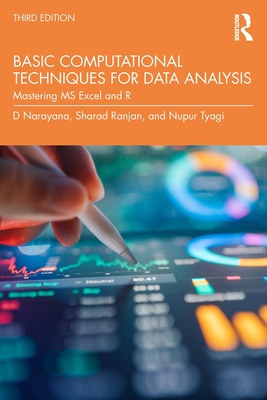
Spec-Driven Development with BMAD: Master Agentic Workflows using Cursor, BMAD, and Context Engineering (Paperback)
暫譯: 使用 BMAD 進行規格驅動開發:運用 Cursor、BMAD 與 Context Engineering 掌握 Agentic 工作流程 (平裝本)
Ferreira, Marlon Vidal
- 出版商: Packt Publishing
- 出版日期: 2026-08-25
- 售價: $1,430
- 貴賓價: 9.5 折 $1,358
- 語言: 英文
- 頁數: 200
- 裝訂: Quality Paper - also called trade paper
- ISBN: 1808086074
- ISBN-13: 9781808086076
-
相關分類:
AI Coding、Agile Software
海外代購書籍(需單獨結帳)
買這商品的人也買了...
商品描述
Learn Spec-Driven Development with the Breakthrough Method for Agile AI-Driven Development (BMAD) and use specialized AI agents to analyze, architect, implement, and test software for both new and existing projects.
Key Features:
- Master BMAD + TEA complete agentic workflow, from upstream planning to downstream code delivery
- Apply Spec-Driven Development to both new and existing projects using BMAD v4 and v6
- Build reliable AI-assisted software by engineering context with specs and architecture docs
Book Description:
Most developers using AI assistants struggle not because of the tool, but because of poor context. When agents receive vague instructions, they produce unreliable code. Spec-Driven Development (SDD) solves this by requiring structured specifications before a single line of code is written.
BMAD is an open-source agentic framework that organizes development into two phases: upstream (analysis, planning, and solutioning) and downstream (implementation and testing). Each phase is handled by specialized AI agents working in sequence, with clear inputs and outputs.
You'll learn how BMAD v6 extends earlier versions through concepts such as Progressive Disclosure, improved context management, TEA integration, and the project-context.md file, which provides a persistent source of truth throughout development. You'll build complete features by orchestrating multiple agents and workflows, applying BMAD to both existing codebases and greenfield projects while running full sprint cycles from planning through implementation and retrospective.
By the end, you'll have a repeatable, structured process for building software with AI that produces consistent, production-ready results regardless of project size or complexity.
What You Will Learn:
- Master BMAD's upstream-to-downstream agentic workflow
- Use Analyst, PM, and Architect agents to create specs
- Implement and test code using the Dev and QA agents
- Plan sprints and perform retrospectives with the Scrum Master agent
- Build new projects end-to-end using the full BMAD cycle
- Work with existing codebases for small and complex features
- Engineer AI context with architecture docs and project-context.md
- Run ATDD, Automate and Test Design using TEA module
Who this book is for:
This course is designed for software developers and engineers who want to build more effectively with AI coding assistants. It is ideal for developers already using tools like Cursor or GitHub Copilot who want to stop fighting hallucinations and start getting consistent, production-quality results. It also suits tech leads and engineering managers who want to introduce structured AI-assisted workflows into their teams. A basic understanding of software development is required; no prior experience with BMAD or prompt engineering is needed.
Table of Contents
- Introducing Spec-Driven Development and BMAD Method
- Upstream Phase: Analysis, Planning and Solutioning
- Downstream Phase: Implementing and Sprinting
- Applying BMAD to an Existing Project
- Applying BMAD to a New Project
- BMAD in Practice: Answers to Real-World Questions
商品描述(中文翻譯)
學習使用敏捷 AI 驅動開發的突破性方法(Breakthrough Method for Agile AI-Driven Development,BMAD)進行規格驅動開發,並運用專業 AI agents 分析、設計架構、實作及測試新專案與既有專案的軟體。
主要特色:
- 掌握完整的 BMAD + TEA agentic workflow,從上游規劃一路到下游程式碼交付
- 使用 BMAD v4 與 v6,將 Spec-Driven Development 應用於新專案與既有專案
- 透過規格與架構文件建構脈絡,打造可靠的 AI 輔助軟體
書籍介紹:
多數使用 AI 輔助工具的開發者之所以遇到困難,問題通常不在工具本身,而在於提供的脈絡不佳。當 agents 收到模糊的指示時,產生的程式碼往往不可靠。Spec-Driven Development(SDD)要求在撰寫第一行程式碼之前,先建立結構化規格,以此解決上述問題。
BMAD 是一個開放原始碼的 agentic framework,將開發流程分為兩個階段:上游(分析、規劃與解決方案設計)以及下游(實作與測試)。每個階段都由專業分工的 AI agents 依序處理,並具備明確的輸入與輸出。
你將學習 BMAD v6 如何透過 Progressive Disclosure、改良的脈絡管理、TEA 整合,以及 project-context.md 檔案來擴充早期版本。project-context.md 能在整個開發過程中提供持續且一致的真實資訊來源。你將透過協調多個 agents 與 workflows 建立完整功能,將 BMAD 應用於既有程式碼庫與 greenfield 專案,並執行從規劃、實作到回顧的完整 sprint 週期。
完成本書後,你將擁有一套可重複、結構化的 AI 軟體開發流程,無論專案規模或複雜程度為何,都能產出一致且可投入正式環境的成果。
你將學到:
- 掌握 BMAD 從上游到下游的 agentic workflow
- 使用 Analyst、PM 與 Architect agents 建立規格
- 使用 Dev 與 QA agents 實作及測試程式碼
- 使用 Scrum Master agent 規劃 sprint 並進行回顧
- 透過完整的 BMAD 循環端對端建立新專案
- 為既有程式碼庫處理小型與複雜功能
- 使用架構文件與 project-context.md 建構 AI 脈絡
- 使用 TEA module 執行 ATDD、Automate 與 Test Design
本書適合對象:
本書適合希望更有效率地使用 AI coding assistants 進行軟體開發的開發者與工程師。對於已經使用 Cursor 或 GitHub Copilot 等工具,卻希望不再受幻覺問題困擾,並開始持續取得具備正式環境品質成果的開發者而言,本書尤其適合。本書也適合希望在團隊中導入結構化 AI 輔助工作流程的技術主管與工程經理。讀者只需具備基本的軟體開發概念,不需要事先具備 BMAD 或 prompt engineering 經驗。
目錄
- 認識 Spec-Driven Development 與 BMAD Method
- 上游階段:分析、規劃與解決方案設計
- 下游階段:實作與 Sprint 執行
- 將 BMAD 應用於既有專案
- 將 BMAD 應用於新專案
- 實務應用 BMAD:真實世界問題解答