Artificial Intelligence and Tortious Liability: Case Study of Bosnia and Herzegovina
暫譯: 人工智慧與侵權責任:波士尼亞與赫塞哥維納案例研究
Muftic, Nasir
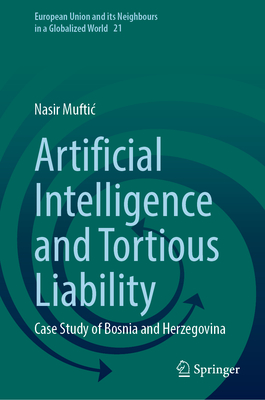
商品描述
This book examines whether current liability systems can handle cases involving artificial intelligence (AI). It questions whether general liability rules, designed to be technology-agnostic, are adequate for AI-related accidents. While focusing on Bosnia and Herzegovina, it addresses issues relevant across Europe, offering answers based on common principles and tort law rules.
The book begins with an introduction to AI technology and associated civil law challenges regarding e.g. autonomy, data importance, and non-transparency. It then discusses the broader context of civil law issues, the role of liability systems, rule-making levels and timing, and ancillary mechanisms like insurance and safety standards. The bases of liability in Bosnia and Herzegovina are examined, including objective and subjective liability, product liability, and vicarious liability. The allocation of liability is also addressed, focusing on AI's autonomy and loss of user control, and evaluating traditional liability allocation principles. Finally, the book analyzes why those harmed by AI might be worse off than those affected by conventional adverse events.
商品描述(中文翻譯)
本書探討目前的責任制度是否能夠處理涉及人工智慧(AI)的案件。它質疑一般責任規則是否足夠應對與AI相關的事故,這些規則旨在不依賴於特定技術。雖然重點放在波士尼亞和赫塞哥維納,但它也涉及整個歐洲相關的問題,並基於共同原則和侵權法規則提供解答。
本書首先介紹AI技術及其相關的民法挑戰,例如自主性、數據重要性和不透明性。接著討論民法問題的更廣泛背景、責任制度的角色、規則制定的層級和時機,以及保險和安全標準等附屬機制。書中檢視波士尼亞和赫塞哥維納的責任基礎,包括客觀責任和主觀責任、產品責任以及代理責任。責任的分配也被討論,重點在於AI的自主性和用戶控制的喪失,並評估傳統的責任分配原則。最後,本書分析了為什麼受到AI傷害的人可能比受到傳統不利事件影響的人更糟。
作者簡介
作者簡介(中文翻譯)
納西爾·穆夫提奇(Nasir Muftic)是薩拉熱窩大學法學院的助理教授。他於2016年畢業於薩拉熱窩大學法學院,並於2017年獲得中歐大學國際商法碩士學位(LL.M.),於2023年在薩拉熱窩大學獲得博士學位。他曾在波士尼亞和黑塞哥維那聯邦的憲法法院及最高法院完成實習。在開始博士研究之前,納西爾在媒體與電信法、民事訴訟、智慧財產權法、商業合同起草及法規遵循等領域擁有經驗。