China's Social Credit System: A Case of Political Leaders and Entrepreneurs
暫譯: 中國的社會信用體系:政治領導者與企業家的案例
Hu, William Zhengdong
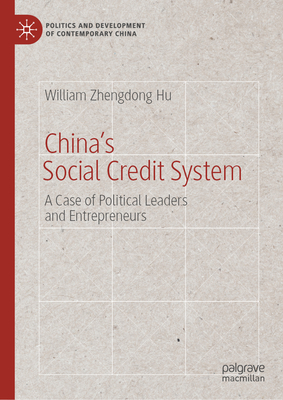
- 出版商: Palgrave MacMillan
- 出版日期: 2025-08-01
- 售價: $5,810
- 貴賓價: 9.5 折 $5,519
- 語言: 英文
- 頁數: 161
- 裝訂: Hardcover - also called cloth, retail trade, or trade
- ISBN: 3031941454
- ISBN-13: 9783031941450
-
相關分類:
管理與領導 Management-leadership
無法訂購
相關主題


商品描述
The book addresses six key questions: (1) How do Chinese leaders and entrepreneurs help us understand the SCS and China's trajectory? (2) How has the CCP shifted the SCS from supporting to controlling entrepreneurs? (3) How did entrepreneurs rise, why are they punished now, and how severe are the sanctions? (4) How have they resisted through legal and institutional means--and with what outcomes? (5) How are they perceived publicly amid negative media portrayals? (6) What do their interactions with the state reveal, from a Daoist perspective, about China's future? The book is intended for policymakers, business leaders, scholars, and graduate students, speaking to the field of sociology, political economy, business, media, and China studies. It contributes to our understanding of the limits and reach of political power in contemporary China, the societal impacts of policy implementation, and the evolving role of entrepreneurs in shaping China's future.
商品描述(中文翻譯)
本書提供了對中國國家在塑造社會方面的政治權力進行分析、測量和評估的理論和實證見解。專注於廣泛討論的社會信用系統(Social Credit System, SCS)以及被制裁的群體laolai(失信者),探討國家政策如何影響公民,特別是企業家,以及他們如何回應。政治權力長期以來一直是中國發展的核心。在當今以市場為導向的經濟中,企業家的命運仍然受到國家的影響,並與國家的未來深深交織。因此,政治當局與企業家之間不斷演變的權力動態提供了一個有效的視角,以理解中國的文化、經濟、媒體、政府效能和國家與社會的關係。
本書針對六個關鍵問題進行探討:(1)中國領導人和企業家如何幫助我們理解SCS和中國的發展軌跡?(2)中國共產黨(CCP)如何將SCS從支持企業家轉變為控制企業家?(3)企業家是如何崛起的,為什麼現在受到懲罰,懲罰的嚴重程度如何?(4)他們如何通過法律和制度手段進行抵抗,結果如何?(5)在負面媒體報導中,他們的公共形象如何?(6)從道教的角度看,他們與國家的互動揭示了中國未來的什麼?本書旨在為政策制定者、商業領袖、學者和研究生提供參考,涉及社會學、政治經濟學、商業、媒體和中國研究領域。它有助於我們理解當代中國政治權力的限制和範圍、政策實施的社會影響,以及企業家在塑造中國未來中的不斷演變的角色。
作者簡介
William Zhengdong Hu, a Warwick Ph.D. and the first Chinese recipient of The Sociological Review Postdoctoral Fellowship in 2023-24, authored this book based on three years of mixed-method research, including 81 interviews and analysis of court judgments, official reports, and news articles. His interest lies in applying Daoist wisdom to discern the core forces shaping contemporary China's development, especially the dynamic between politics and business
作者簡介(中文翻譯)
威廉·鄭東·胡(William Zhengdong Hu)是華威大學的博士,並且是2023-24年度第一位獲得《社會學評論》(The Sociological Review)博士後獎學金的中國學者。他根據三年的混合方法研究撰寫了本書,該研究包括81次訪談以及對法院判決、官方報告和新聞文章的分析。他的興趣在於應用道家智慧來辨識塑造當代中國發展的核心力量,特別是政治與商業之間的動態關係。