商品描述
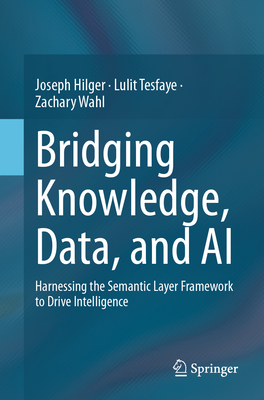
The semantic layer framework is the practical combination of core technologies and best-in-practice design principles that deliver a framework connecting all of an organization's knowledge assets in context and with the greatest accuracy. It combines elements from data, information, and knowledge management in order to enable the reliable (re)use of an organization's assets. This book guides the reader through every element of the semantic layer, from its core definition and business value, associated components and design requirements, methodological keys to success, realworld success stories and applications, and finally, through its relationship with AI. The book is divided into five parts. "Chapter I: Understanding the Semantic Layer" defines the semantic layer, explains its value, and details business outcomes and potential areas of return on investment. "Chapter II: Semantic Layer Component Design and Implementation" breaks the semantic layer down into its core components (knowledge assets, business glossary, metadata, taxonomy, and knowledge graph) defining each, explaining their role in the semantic layer, discussing associated technologies, and delving into the modeling of these components. "Chapter III: Methodologies for Designing and Integrating the Semantic Layer" delivers a step-by-step guide to the design and implementation of a semantic layer, covering a range of best practices to ensure the success of an initiative. "Chapter IV: Real-World Success Stories" expands on various real-world examples, presenting case studies from a range of organizations that have successfully implemented a semantic layer and detailing the use cases, approaches, and outcomes. Finally, "Chapter V: Powering Artificial Intelligence and Beyond" covers the interrelationship between the semantic layer framework and AI, elaborating on the ways in which these two fields can mutually benefit one another and concluding with a look into the future on how mature organizations are evolving their semantic ecosystems to drive responsible AI adoption and further competitive capabilities. This book is intended for practitioners seeking to implement the semantic layer within their own organization, for those interested in learning how to do so, as well as for executives or business stakeholders that may find themselves overseeing such a program.
商品描述(中文翻譯)
語意層框架是核心技術與最佳實踐設計原則的實際結合,提供一個框架,將組織的所有知識資產以上下文和最高準確性連接起來。它結合了數據、信息和知識管理的元素,以便可靠地(重新)使用組織的資產。
本書引導讀者了解語意層的每個元素,從其核心定義和商業價值、相關組件和設計要求、成功的關鍵方法論、現實世界的成功案例和應用,最後探討其與人工智慧的關係。本書分為五個部分。第一章《理解語意層》定義了語意層,解釋了其價值,並詳細說明了商業成果和潛在的投資回報領域。第二章《語意層組件設計與實施》將語意層分解為其核心組件(知識資產、商業詞彙表、元數據、分類法和知識圖譜),定義每個組件,解釋它們在語意層中的角色,討論相關技術,並深入探討這些組件的建模。第三章《設計與整合語意層的方法論》提供了語意層設計和實施的逐步指南,涵蓋一系列最佳實踐,以確保計劃的成功。第四章《現實世界的成功案例》擴展了各種現實世界的例子,呈現來自多個成功實施語意層的組織的案例研究,詳細說明使用案例、方法和結果。最後,第五章《推動人工智慧及其未來》探討了語意層框架與人工智慧之間的相互關係,闡述了這兩個領域如何互相受益,並以對未來的展望結束,探討成熟的組織如何發展其語意生態系統,以推動負責任的人工智慧採用和進一步的競爭能力。
本書旨在為尋求在自身組織內實施語意層的實踐者、對學習如何實施感興趣的人士,以及可能負責此類計劃的高管或商業利益相關者提供指導。
作者簡介
Joseph Hilger has over 30 years of experience leading and implementing cutting-edge, enterprise-scale IT projects. He was an early pioneer in the use of Agile techniques for knowledge management systems design, implementation, and integrations projects. Joe is an expert in implementing enterprise-scale graph, search, and data analytics solutions. In addition to his role as COO of Enterprise Knowledge, he is a speaker and instructor on topics including enterprise search, graphs, and AI. Joe is the coauthor of Making Knowledge Management Clickable, published by Springer in 2022. Lulit Tesfaye brings close to 20 years of experience leading strategy and delivery for enterprise knowledge and data programs across diverse sectors. She founded the Semantic Data and AI Engineering Practices, spearheading the adoption of semantic standards, knowledge graphs, and AI integration in organizational information strategies. Lulit is a published expert, keynote speaker, and educator, serving on advisory boards for industry organizations and iSchool/data management programs at various universities. Zachary Wahl has over 25 years of experience leading programs in the knowledge and information management space. Early in his career, he defined the business taxonomy concept to address the need for human-centered taxonomy designs, a formative element of today's advanced semantic solutions. He has worked with hundreds of public and private organizations in over forty countries to successfully strategize, design, and implement advanced KM and semantic solutions. In addition to his role as CEO of Enterprise Knowledge, he is a frequent speaker and facilitator on the combination of KM, semantics, and AI. Zach is the coauthor of Making Knowledge Management Clickable, one of the leading books on knowledge management strategy and design.
作者簡介(中文翻譯)
約瑟夫·希爾格 (Joseph Hilger) 擁有超過 30 年的經驗,領導和實施尖端的企業級 IT 專案。他是早期在知識管理系統設計、實施和整合專案中使用 Agile 技術的先驅之一。約瑟夫是實施企業級圖形、搜尋和數據分析解決方案的專家。除了擔任企業知識 (Enterprise Knowledge) 的 COO 外,他還是企業搜尋、圖形和人工智慧 (AI) 等主題的演講者和講師。約瑟夫是 2022 年由 Springer 出版的 Making Knowledge Management Clickable 的共同作者。 盧利特·泰斯法耶 (Lulit Tesfaye) 擁有近 20 年的經驗,領導各行各業的企業知識和數據計畫的策略與交付。她創立了語義數據和 AI 工程實踐,推動語義標準、知識圖譜和 AI 整合在組織信息策略中的應用。盧利特是一位已出版的專家、主題演講者和教育者,並在多所大學的行業組織和 iSchool/數據管理計畫的顧問委員會中任職。 扎卡里·瓦爾 (Zachary Wahl) 擁有超過 25 年的經驗,領導知識和信息管理領域的計畫。在他的職業生涯早期,他定義了商業分類法的概念,以滿足對以人為中心的分類法設計的需求,這是當今先進語義解決方案的一個重要元素。他曾與來自四十多個國家的數百個公私部門組織合作,成功地策劃、設計和實施先進的知識管理 (KM) 和語義解決方案。除了擔任企業知識 (Enterprise Knowledge) 的 CEO 外,他還經常就 KM、語義和 AI 的結合進行演講和主持。扎克是 Making Knowledge Management Clickable 的共同作者,這是一本關於知識管理策略和設計的領先書籍。