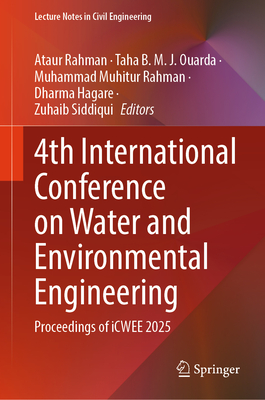
Recovery and Recycling of Critical Metals from Electronic Waste for Environmental Sustainability
暫譯: 電子廢物中關鍵金屬的回收與再利用:環境永續性之道
Das, Alok Prasad, Priyadarsini, Sailaja
相關主題

商品描述
商品描述(中文翻譯)
電子廢棄物(e-waste)是全球增長最快的廢棄物流之一,這是由於工業化所致,並因其複雜的組成、極短的使用壽命以及不當的處置方式而對環境和健康造成重大危害。電子廢棄物還含有許多有毒物質,如鉛、鎘和汞,這些物質會滲入土壤和水中,造成污染。長期接觸這些毒素會導致嚴重的人類健康問題,包括神經損傷、呼吸問題和癌症。此外,電子廢棄物是鋰、鈷和鎳等關鍵和戰略金屬的豐富二次來源,這些金屬對於製造手機、筆記型電腦、電動車、玩具以及許多其他消費電子產品至關重要。從天然礦石中開採關鍵金屬會導致水污染和水資源短缺。不當處置和管理鋰離子電池(LIBs)會導致資源枯竭和許多貴金屬的損失。適當的處置方式和可持續管理鋰離子電池現在成為減少鋰離子電池污染的核心關注點。火冶金、濕冶金、直接回收和生物浸出是從電子廢棄物中回收關鍵金屬的最重要方法。而生物浸出是一種環保的可持續方法,利用微生物的自然潛力來溶解和回收電子廢棄物中的關鍵金屬。與微生物生物浸出技術相結合的生物循環經濟方法減少了環境影響,並通過減少對傳統採礦的依賴來提高關鍵金屬回收的效率。本書促進了通過整合微生物浸出技術進行關鍵金屬的回收和回收,以實現可持續管理。它還探討了在關鍵金屬提取和管理不當過程中的工業應用及其環境和經濟影響。本書還強調了在電子廢棄物中回收關鍵金屬的尖端生物技術創新,以促進關鍵金屬提取、回收和重用的閉環生物循環經濟系統。本書的一個重要部分還將描述關鍵金屬回收的案例研究、政策框架和行業倡議,以促進關鍵金屬的生物循環性。整合微生物浸出和循環經濟的科學方法可以塑造關鍵金屬的未來。
作者簡介
Dr. Alok Prasad Das is an accomplished academician and researcher currently serving as an Assistant Professor in the Department of Life Sciences at Rama Devi Women's University. With over 16 years of teaching and research experience, his work focuses on environmental biotechnology, microbial remediation, circular bio-economy, and sustainable waste management.
Dr. Das has made significant scholarly contributions with over 150+ SCOPUS-indexed publications, 60 book chapters, and 15 edited books, along with several more in progress. His research impact is reflected in a high citation record (over 10,000 citations) and a strong h-index 62, highlighting his influence in the fields of environmental microbiology and waste valorization. He has also been actively involved in funded research, leading multiple national projects supported by agencies such as DST and DBT, Government of India.
In addition to his research excellence, Dr. Das plays a prominent role in academic publishing. He serves as Associate Editor and Guest Editor for several reputed international journals, and has led numerous special issues on emerging environmental challenges. He is also a Book Series Editor with leading publishers.
Dr. Das has been recognized with prestigious honors including the Odisha Young Scientist Award and has contributed extensively to capacity building through invited talks, supervision of postgraduate and doctoral scholars, and international collaborations. His interdisciplinary approach and editorial leadership continue to shape advancements in sustainable environmental technologies and circular economy strategies.
Ms. Sailaja Priyadarsini is currently pursuing her PhD in Life Sciences at Rama Devi Women's University. Her research concentrates on advancing microbial bioleaching technologies for the efficient recovery of lithium from spent lithium-ion batteries (LIBs), promoting environmental sustainability and supporting the transition toward greener remediation strategies. With a strong academic background, she has accumulated six years of research experience across diverse areas, including microbiology, microbial bioleaching techniques, bioremediation, vermi-remediation, and microbial culture methodologies. She has authored several high-impact research articles in reputed international journals and has contributed numerous book chapters to volumes published by leading international academic publishers. Alongside her research, she has developed strong academic editing expertise through her role as Editor of multiple books. Her editorial experience includes conceptualising book themes, structuring volumes, coordinating with international authors, and managing peer review. She has established a strong academic profile, reflected by 525 citations, an h-index of 10, and an i10-index of 10, demonstrating the scholarly impact and consistency of her publications.
作者簡介(中文翻譯)
阿洛克·普拉薩德·達斯博士(Dr. Alok Prasad Das)是一位成就卓越的學者和研究者,目前擔任拉瑪德維女子大學(Rama Devi Women's University)生命科學系的助理教授。擁有超過16年的教學和研究經驗,他的研究重點包括環境生物技術、微生物修復、循環生物經濟和可持續廢物管理。
達斯博士在學術上做出了重要貢獻,擁有超過150篇SCOPUS索引的出版物、60個書籍章節和15本編輯書籍,還有多本正在進行中。他的研究影響力體現在高引用記錄(超過10,000次引用)和強大的h指數62,突顯了他在環境微生物學和廢物增值領域的影響力。他還積極參與資助研究,領導多個由印度政府的DST和DBT等機構支持的國家項目。
除了研究卓越外,達斯博士在學術出版方面也扮演著重要角色。他擔任多本知名國際期刊的副編輯和客座編輯,並主導了多個關於新興環境挑戰的特刊。他還是主要出版社的書系列編輯。
達斯博士曾獲得包括奧迪沙青年科學家獎在內的多項榮譽,並通過受邀演講、指導研究生和博士生以及國際合作,廣泛貢獻於能力建設。他的跨學科方法和編輯領導力持續推動可持續環境技術和循環經濟策略的進步。
薩伊拉賈·普里亞達爾西尼女士(Ms. Sailaja Priyadarsini)目前正在拉瑪德維女子大學攻讀生命科學博士學位。她的研究集中於推進微生物生物浸出技術,以有效回收廢棄鋰離子電池(LIBs)中的鋰,促進環境可持續性並支持向更綠色的修復策略過渡。她擁有堅實的學術背景,積累了六年的研究經驗,涵蓋微生物學、微生物生物浸出技術、生物修復、蚯蚓修復和微生物培養方法等多個領域。她在知名國際期刊上發表了多篇高影響力的研究文章,並為主要國際學術出版社出版的多卷書籍貢獻了多個書籍章節。除了研究外,她還通過擔任多本書籍的編輯,發展了強大的學術編輯專業知識。她的編輯經驗包括構思書籍主題、結構化卷冊、與國際作者協調以及管理同行評審。她建立了強大的學術形象,反映在525次引用、h指數10和i10指數10上,顯示出她出版物的學術影響力和一致性。